Oman
The country warmed by its people!
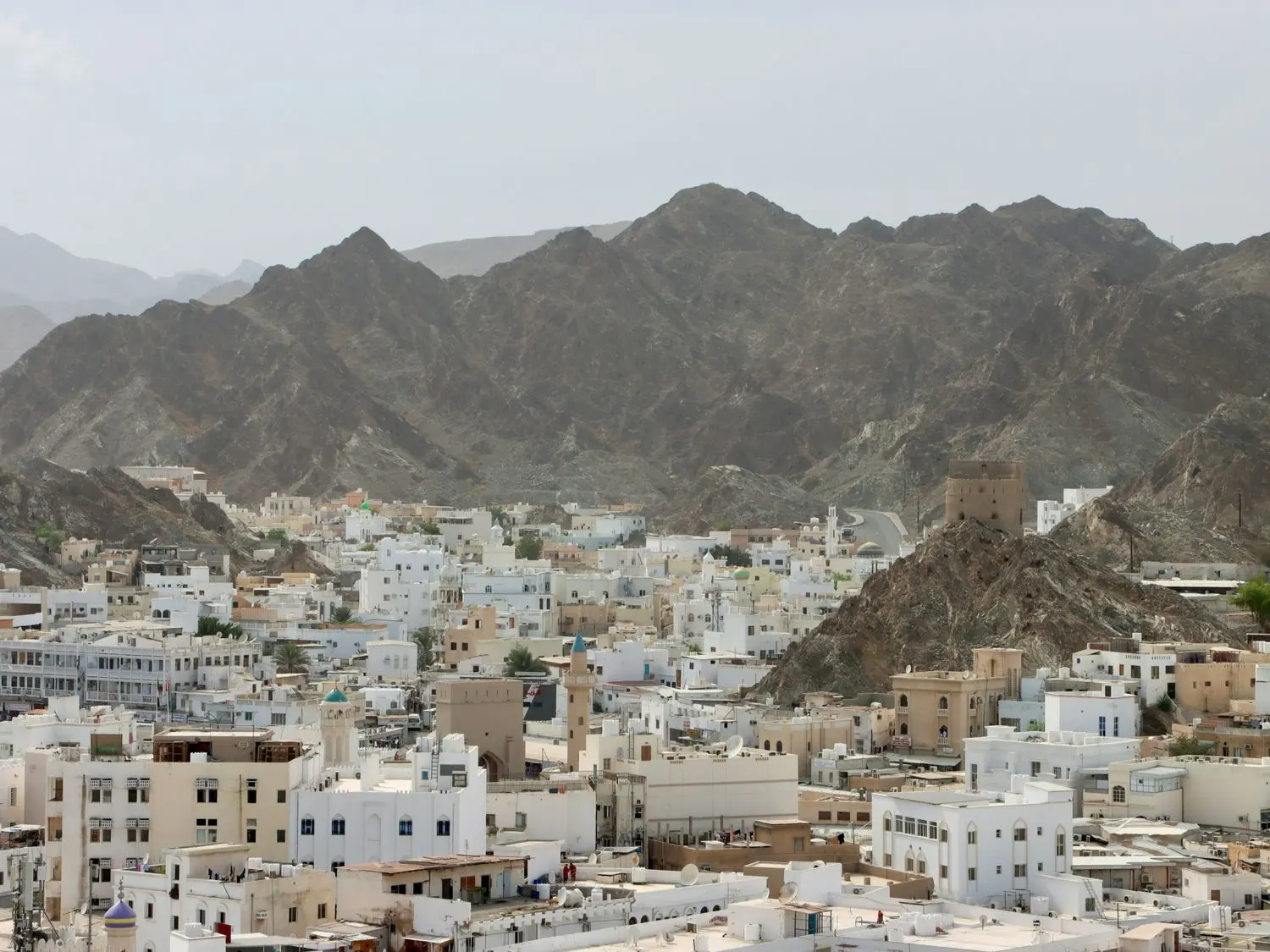
- Capital
- Muscat
- Language
- Arabic
- Currency
- Omani rial
- Population
- 5.3 million
- Time zone
- UTC +4
- Driving side
- Right
Traveling in Oman: our tips and route
Oman is one of the most beautiful and quietest countries in the Middle East. You will find deserts, wadis, forts, beaches and mountain villages, and the people are hospitable. A rental car is the best way to see the country, because public transport is limited. It is also a safe country with good roads.
At a glance
How much time
At least 8 to 10 days for Muscat, the interior and the desert.
Best time to go
October to April is pleasant. In summer it is extremely hot, except in Salalah during the khareef season.
Visa
Dutch citizens can enter without a visa for a tourist stay of up to 14 days. For longer you need a visa. Check the current rules.
Safety
Color code yellow, with stricter codes for the border with Yemen.
Money
Omani rial (OMR). You can withdraw cash at ATMs and often pay by card.
Current as of November 2026
The Dutch travel advice rates Oman yellow, with stricter codes for the border area with Yemen. Check the current travel advice and the visa rules just before you leave.
Oman in 10 days
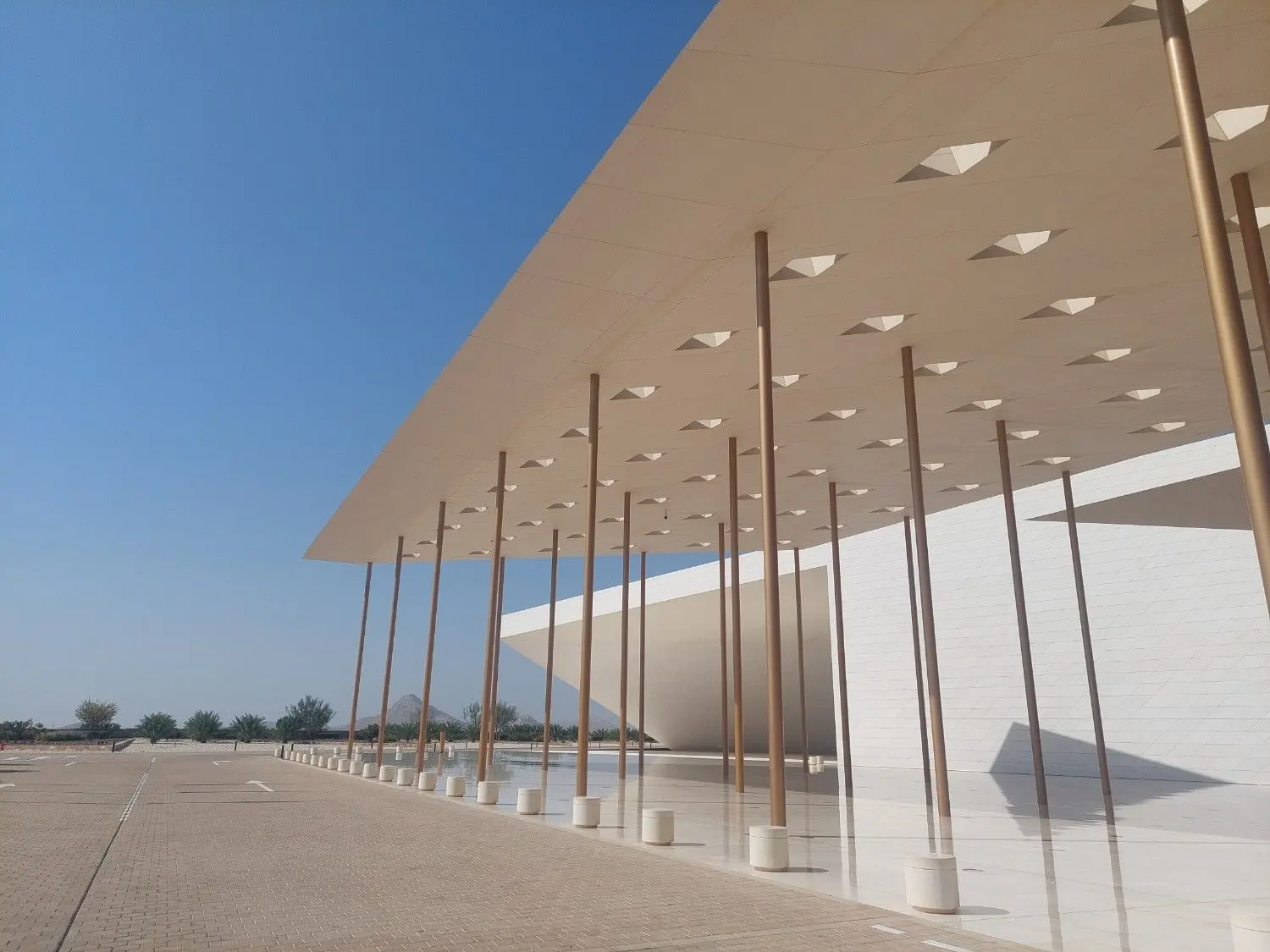
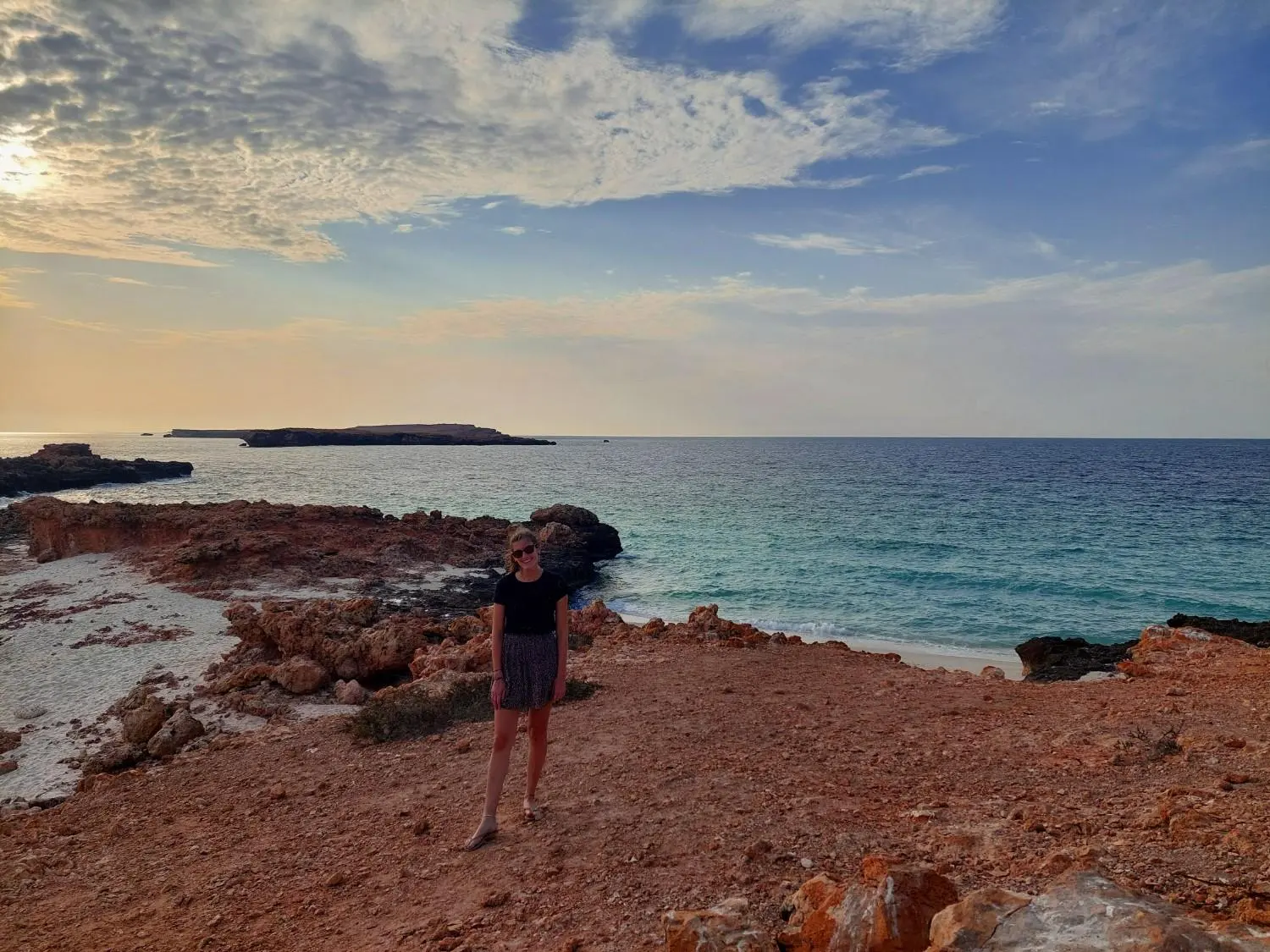
This route can be done with a rental car and runs from Muscat through the interior to the east coast.
| Days | Place | Highlights |
|---|---|---|
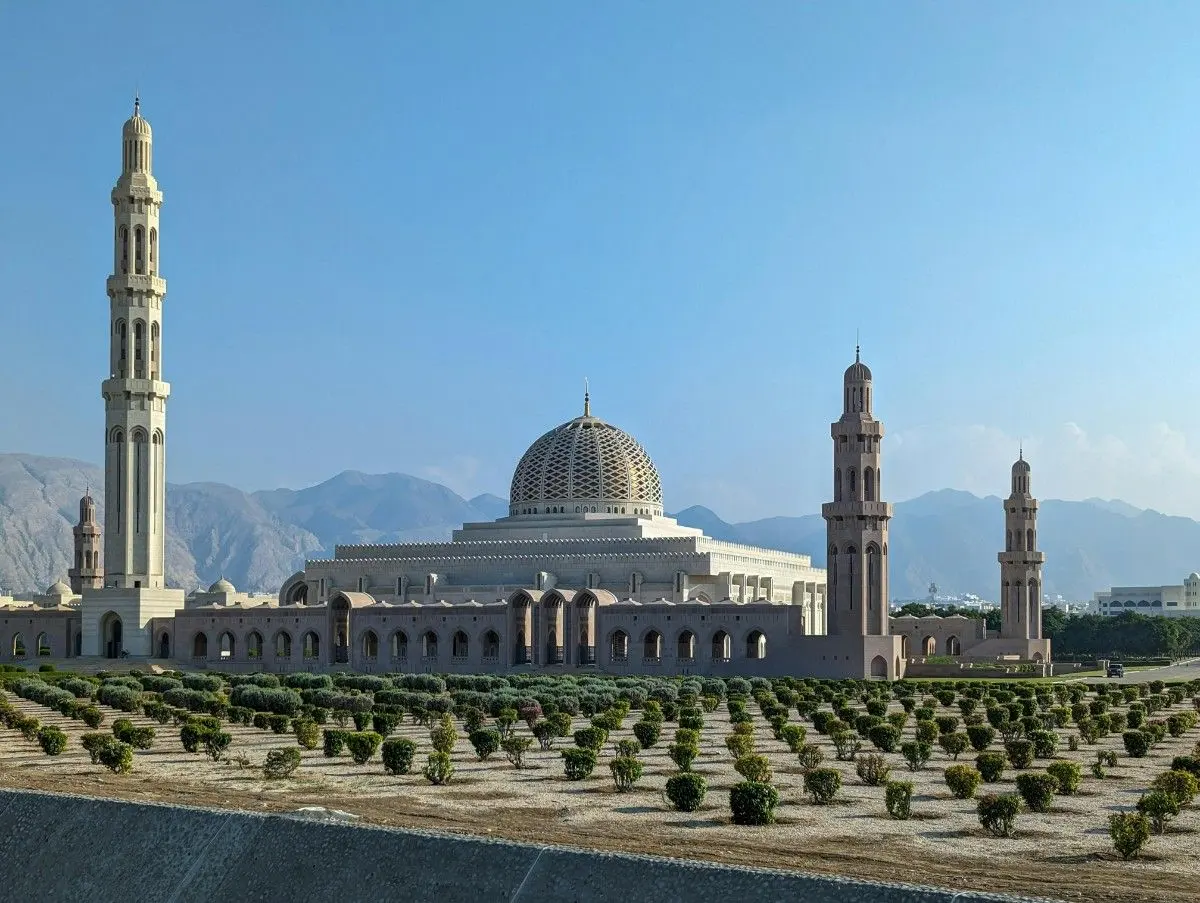
| 1–3 | Muscat | Mutrah Souk, Sultan Qaboos Mosque, Oman Across Ages Museum |
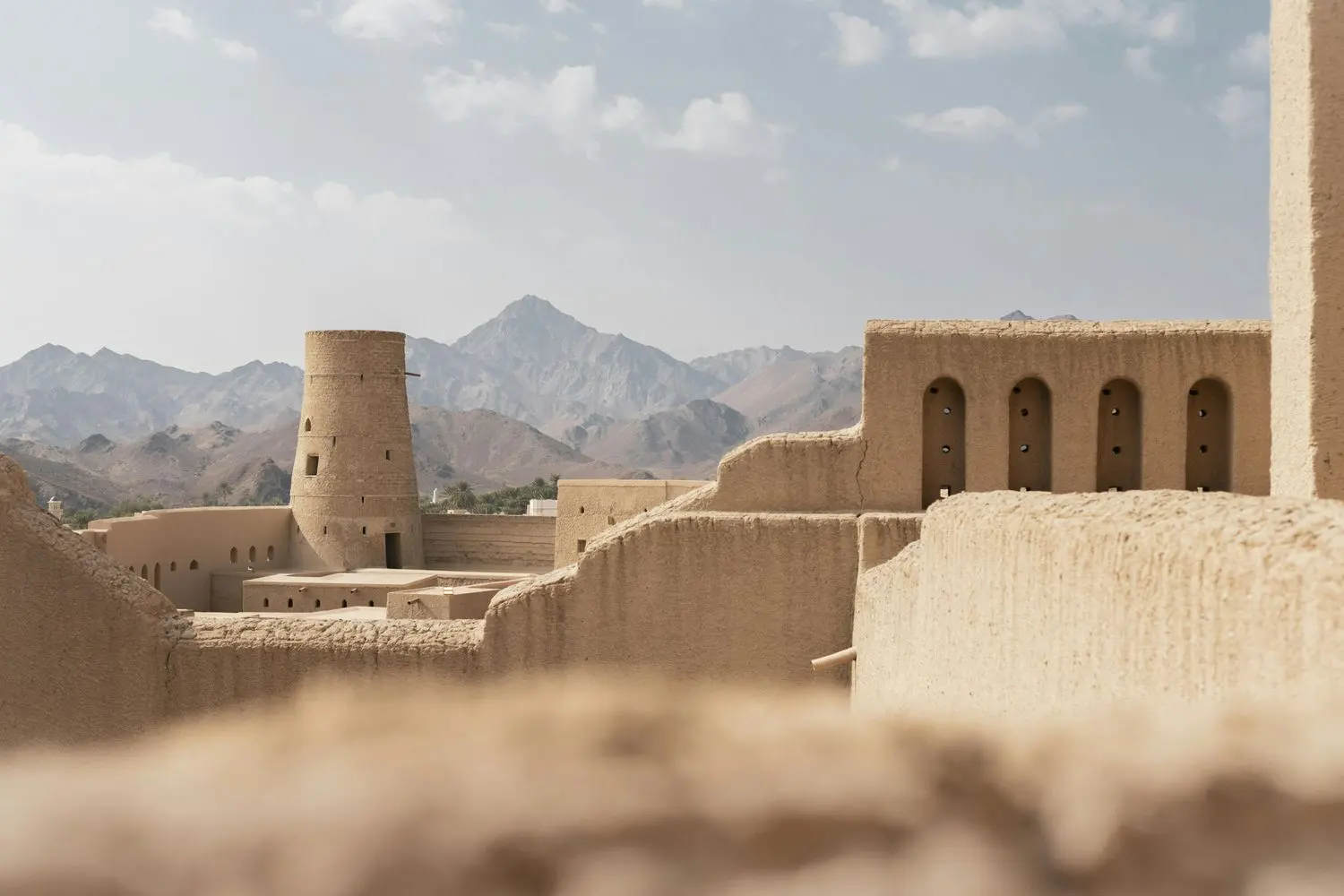
| 4–5 | Nizwa | Fort, souk, Jebel Akhdar, Bahla |
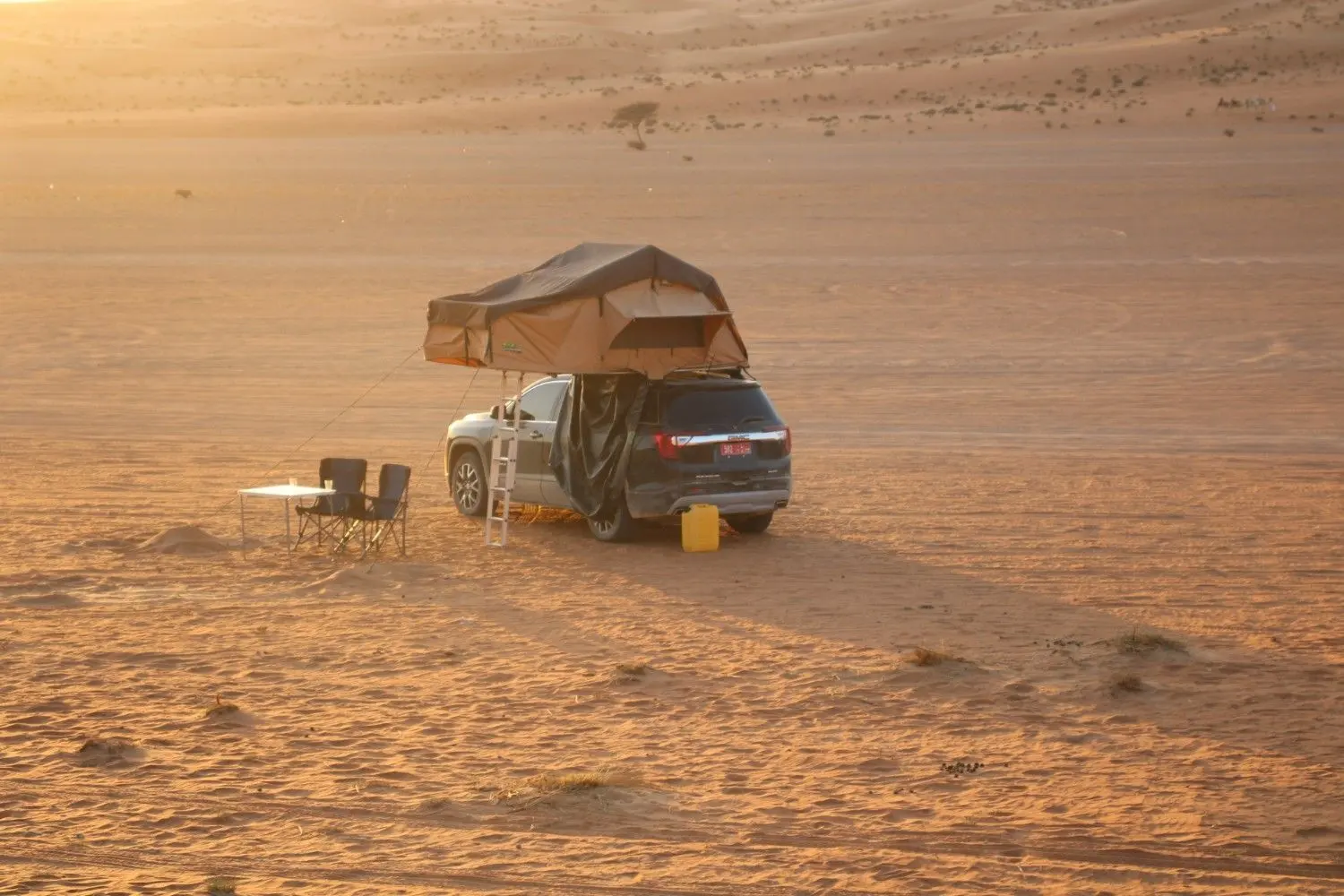
| 6 | Wahiba Sands | Dunes, sunset, overnight in a desert camp |
| 7–8 | Wadi Shab and Sur | Hike and swim, dhow yard, Ras al Jinz |
| 9 | Daymaniyat-eilanden | Snorkeling with turtles |
| 10 | Muscat | Return flight |
More time? Add Jebel Shams or Salalah. Also read our tips for traveling with a rooftop tent.
Best known destinations in Oman
The classic route runs from Muscat to the interior with Nizwa, the wadis and the desert, and then to the east coast. If you have more time, you can go to Salalah in the south.
| Place | Why go | Highlights |
|---|---|---|
| Muscat | Coastal capital with white buildings | Corniche, Mutrah Souk, Opera House, Sultan Qaboos Mosque |
| Nizwa | Historic town with a fort and souk | Fort, Friday goat market, date plantations |
| Daymaniyat-eilanden | Protected islands for snorkeling | Turtles, coral, snorkeling |
| Wahiba Sands | Red sand dunes with desert camps | Dunes, sunset, overnight stay, camels |
| Wadi Shab | Gorge with pools and caves | Hike, swimming, hidden waterfall |
| Sur | Port town with traditional dhows | Dhow yard, lighthouse, Ras al Jinz turtles |
| Jebel Akhdar | Mountains with terraces and pomegranates | Roses, terraced villages, views |
| Jebel Shams | Highest mountain in Oman with a canyon | Balcony Walk, canyon, camping |
| Bahla | Fort and potters | Bahla Fort, Jabreen, pottery |
| Salalah | Green coastal town in the south | Khareef season, frankincense, beaches |
Did you know
Frankincense
Oman has been known for thousands of years for its frankincense from the Dhofar region.
Friday market
At the goat market in Nizwa, people sell livestock on Friday mornings, a centuries-old tradition.
Sultan
The country is ruled by a sultan. The current sultan, Haitham bin Tariq, succeeded Qaboos in 2020.
Best time to visit Oman
Oman is large and has its own climates on the coast, in the mountains and in the south.
North and Muscat
October to April is pleasant, with 22 to 30 degrees Celsius. In summer it climbs above 40 degrees.
Desert and interior
November to March is the most pleasant, with cool nights in the desert.
Salalah and the south
June to September is the khareef season, when it is green and misty and many tourists come.
Is Oman safe?
The Dutch travel advice rates Oman yellow, with stricter codes for the border area with Yemen. The country is quiet, safe and hospitable. The biggest risks are heat, road traffic and sudden flash floods in wadis after rain.
Respect local customs and dress modestly, especially outside tourist areas, and ask permission before photographing people. Drive carefully, because camels and goats sometimes cross the road.
What do you eat and drink in Oman?
Omani cuisine is refined and spicy. You should try the dishes below.
Shuwa
Slow-cooked lamb or goat in a sand oven, often served at celebrations.
Majboos
Spiced rice with meat or fish.
Mashuai
Grilled kingfish with rice and lemon.
Halwa
Sweet pudding of sugar, rosewater and cardamom.
Kahwa
Omani coffee with cardamom, served with dates.
Dates
Fresh and dried, an essential part of hospitality.
How much does Oman cost?
Oman is average for the Middle East, but more expensive than Southeast Asia or South America. These are indicative amounts per person per day, including sleeping, eating and a rental car, but excluding flights and insurance.
Budget
€60–80
Simple hotels, local food and sharing a rental car.
Mid-range
€110–200
Private room in a good hotel, restaurants and a 4x4 for the desert.
Comfortable
€250+
Luxury resorts, desert camps and private guides.
Practical info
Passport and visa
For a tourist stay of up to 14 days you can enter without a visa. For longer, apply for a visa. Make sure your passport is valid for at least six months.
Transport
Rent a car for the interior and the desert. For Wahiba Sands and unpaved roads you need a 4x4.
Money
Withdraw rials at ATMs. In hotels and shops you can often pay by card, at souks in cash.
Culture
Cover shoulders and knees, even as a tourist. Stricter rules apply in mosques. During Ramadan, eating and drinking in public during the day is not appropriate.
More travel info
Frequently asked questions about Oman
How many days do you need for Oman?
At least 8 to 10 days for Muscat, the interior and the desert. With 2 weeks you can also include Salalah.
Do you need a visa for Oman?
Not for a tourist stay of up to 14 days, but you do for longer. The rules can change, so check the current conditions.
What is the best month to go to Oman?
October to April is pleasant. Salalah is at its best from June to September.
Is Oman safe for tourists?
Yes, it is one of the safest countries in the Middle East. Color code yellow applies, with stricter codes for the border area with Yemen.