Where to Go in Tanzania? Our 14 Great Tips!
Tanzania is a country with plenty to see and do. Many people think of an adventurous safari in one of the national parks when they think of Tanzania. But there is so much more to experience! Pack your bags and explore this beautiful African country!
At a glance
Why go
Safaris, Kilimanjaro, Zanzibar and much more off the beaten track.
Best time to go
June to October for safaris. January and February are also good.
Visa
Dutch citizens need a visa (50 dollars, up to 90 days).
Insurance
Mandatory entry insurance. Mainland (NIC) about 44 dollars since 1 October 2026, Zanzibar via ZIC.
Tip
Combine a safari in the north with Zanzibar or a quieter region such as Iringa or Mufindi.
Current situation (November 2026)
Dutch citizens need a visa for Tanzania. A single-entry tourist visa of up to 90 days costs 50 dollars and you apply for it online or get it on arrival. Mandatory entry insurance has applied to Zanzibar for some time. Since 1 October 2026 the mainland also requires mandatory entry insurance from the National Insurance Corporation (about 44 dollars, valid for up to 92 days). Zanzibar has a separate policy through ZIC. You do not need to buy two policies, because the first point of entry decides which one you need. Check the current rules on the official NIC site before you leave. All Tanzanian airlines are on the European list of unsafe airlines.
Is Tanzania safe?
Tanzania is generally a safe country, but there are some safety risks. Check the government's travel advice for current information. You can also read our articles '4 Tips to Travel Safely in Tanzania' and '12 Practical Tips for Traveling in Tanzania' for even more tips and information.
It is important to use your common sense in Tanzania and be careful with your belongings. For example, do not bring too many valuable and expensive items when you travel around Tanzania. Also make sure you book accommodation in a safe neighborhood. It is also important not to walk the streets alone in the dark. For the most reliable information about safety in different places, it is best to ask the staff of your accommodation and your guides.
How do you get from place to place?
There are several ways to get around Tanzania.
By plane
Tanzania is a big country, so you lose a lot of time getting to a new destination. Flying is a good and fast, but more expensive, option for covering long distances. Tanzania has quite a few airports. Check Skyscanner to see the options.
By bus
A cheaper option for long distances is the bus. In Tanzania there are buses for which you can buy a ticket online or on the spot. There are also smaller minibuses, for which you often have to buy a ticket on the spot. These buses usually only leave when the whole bus is full. When you take the bus, you need to expect the unexpected. The bus may suddenly stand still somewhere for a while, there may be unexpected stops and the journey may take much longer than you thought beforehand. At the same time you can enjoy a fun local travel experience.
By car (with a private driver)
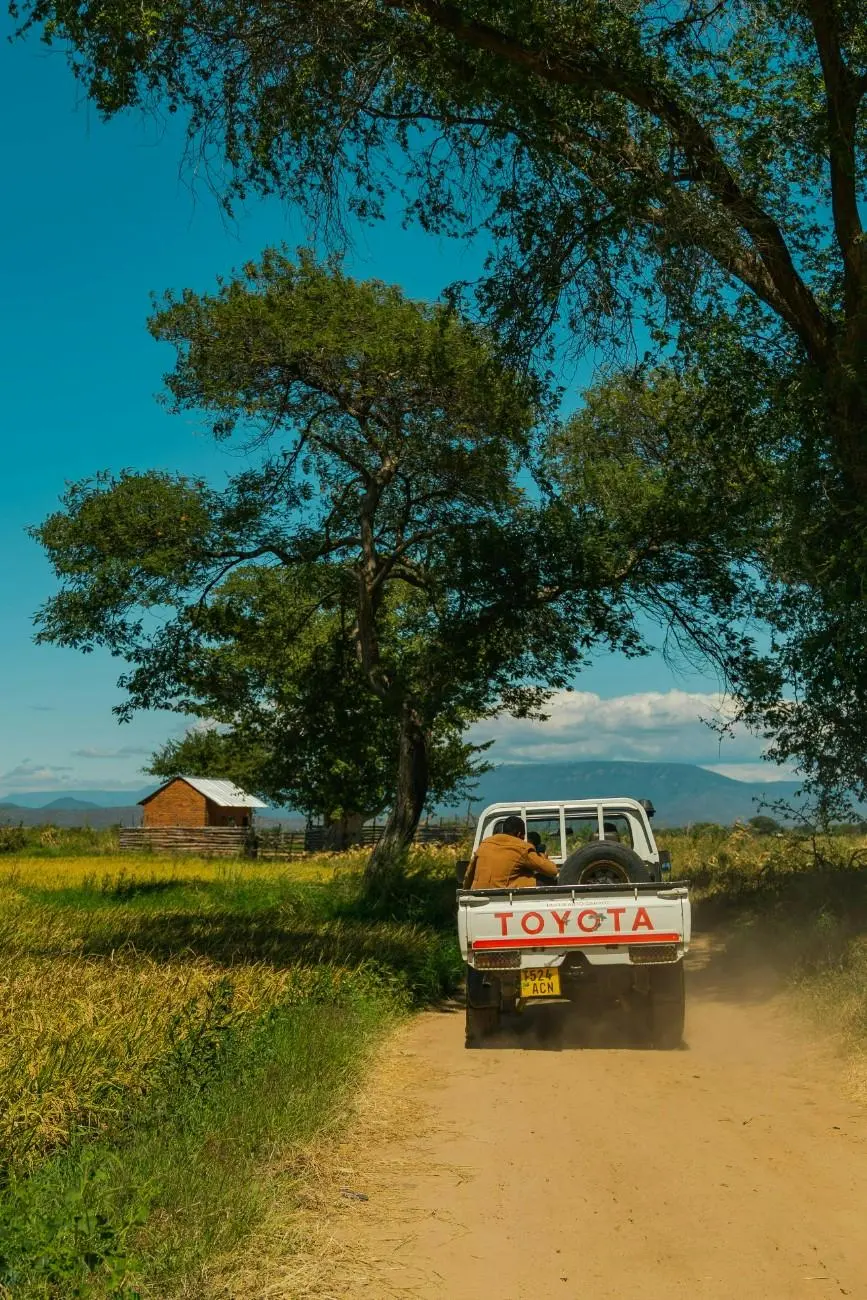
Another fun way to explore Tanzania is by car. This is a lot more expensive than the bus, but you can go and stop wherever you want. When you rent a car, it is important to take chaotic traffic and unpaved roads into account. Does that sound too daunting? Many rental companies let you book a private driver with the car. That way you can go wherever you want with someone who is experienced with the traffic. The nice thing about a private driver is that he knows hidden spots and can tell you a lot about the country.
By taxi or tuk-tuk
A taxi or tuk-tuk are both good options for shorter distances. That way you can get from place to place cheaply and quickly.
The best things to do in Tanzania
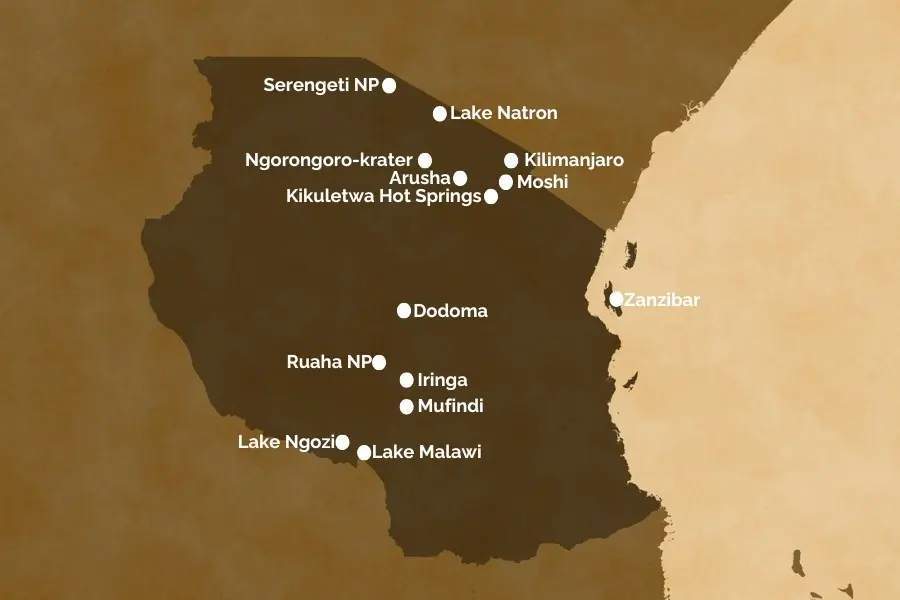
There is more than enough to do in Tanzania to keep you busy for a few weeks. Here are our best tips!
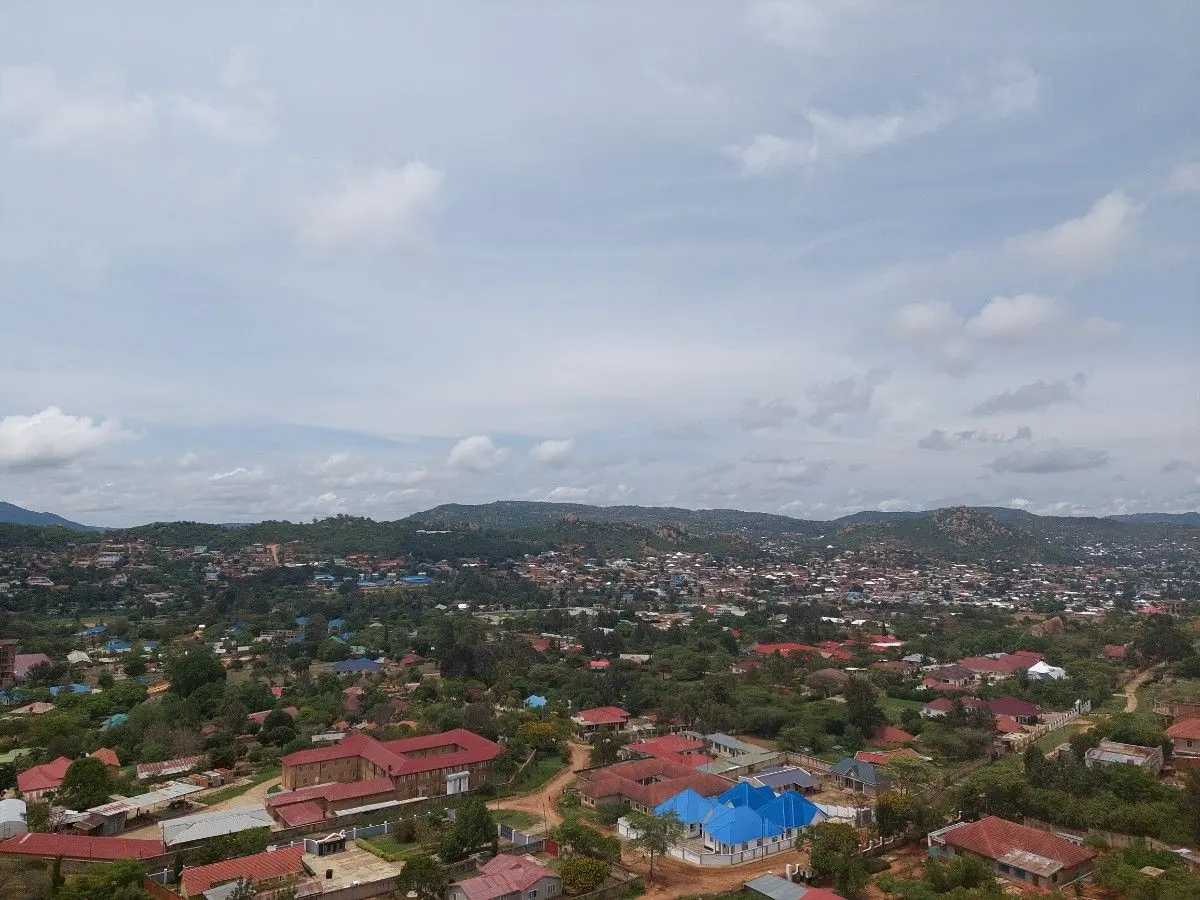
1. Visit Iringa: gateway to the past
Compared with other cities in Tanzania, Iringa is small and quiet. You also do not see many tourists here. In the center of Iringa you will find the Soko Kuu market, where just about everything is sold. A little further on is Uhuru Park. This cozy park has a small playground for children and a few souvenir stalls. At some of the stalls you can find bracelets and necklaces. We asked whether we could make bracelets ourselves here, which was a lot of fun. It is useful to agree on a price beforehand.
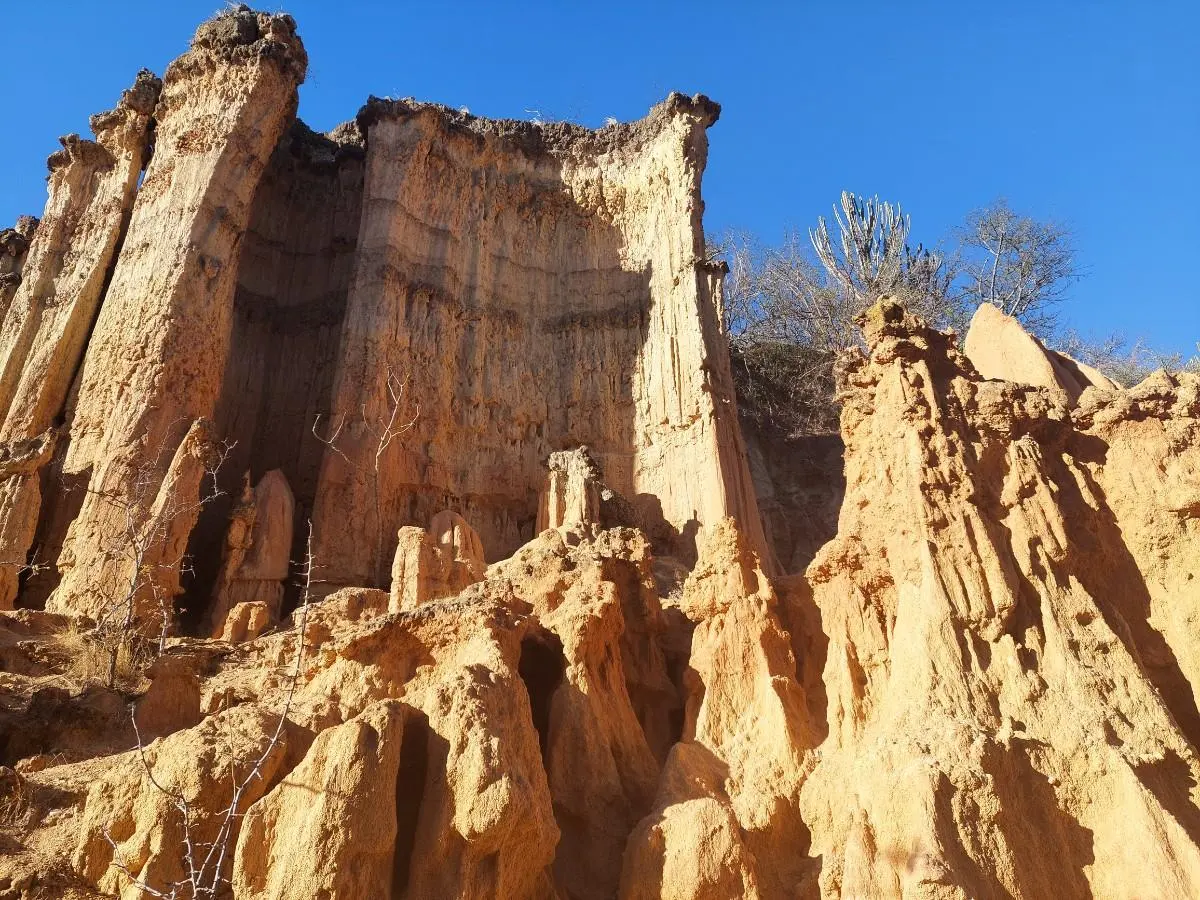
For history lovers Iringa has a lot to offer. Isimila Stone Age is one of the most important archaeological sites in East Africa. Stone tools from the Stone Age have been discovered here, giving insight into how people lived thousands of years ago. There is also a beautiful landscape with deep gorges and tall sandstone pillars.
The Gangilonga Rock is also a special place. From here you have a beautiful view over the city. In the past the leaders of the Hehe tribe used this place to make important decisions, especially during German colonization, when the Hehe were known for their resistance. The name of the rock means "talking stone".
2. Looking for the Big 5!
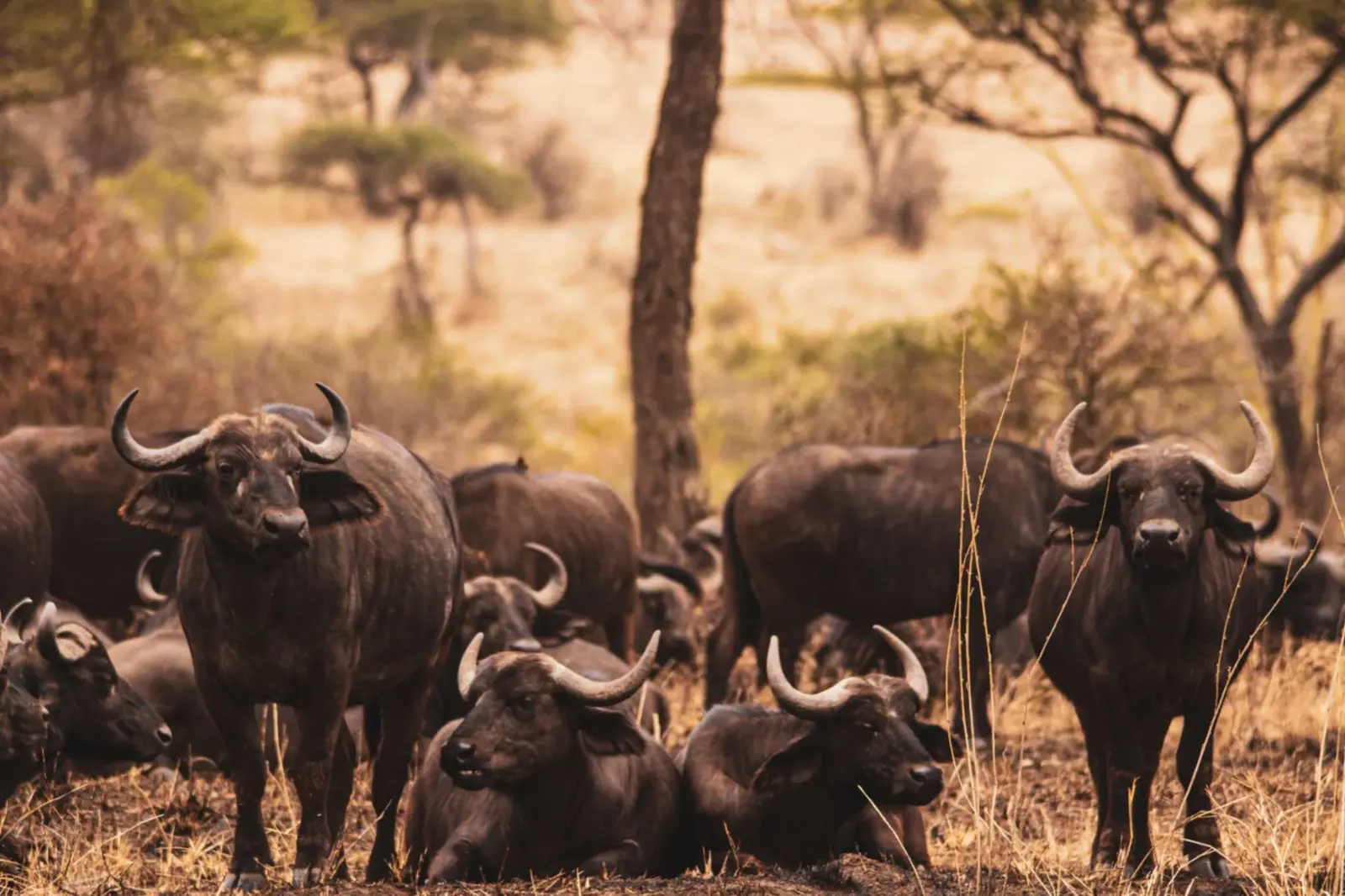
A safari of course cannot be missing when you are in Tanzania. The country is popular because of its beautiful national parks and the migration of many different animals. Tanzania has more than 10 national parks. We have listed three of them for you.
Serengeti National Park
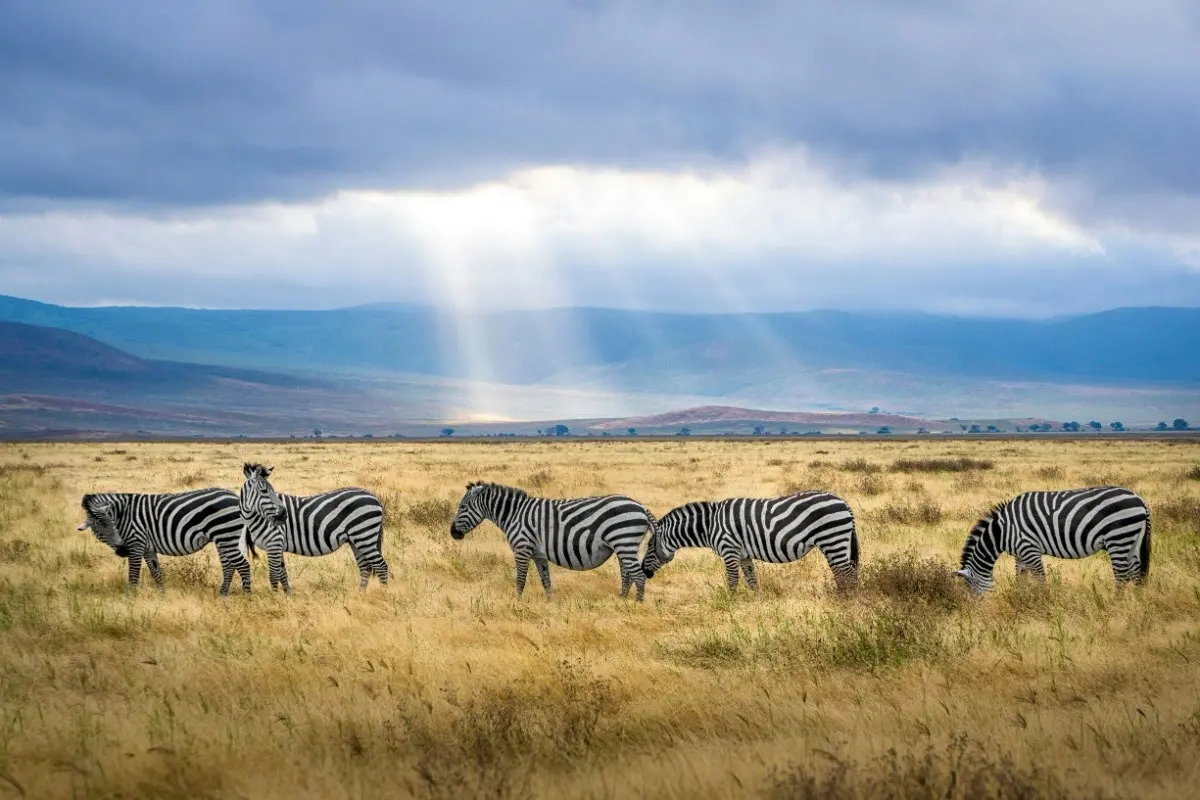
Serengeti National Park is by far the best-known national park in Tanzania and is known worldwide as one of the most beautiful. This is because it has one of the largest and most varied animal populations on earth. The name of the park means "endless plains", and you will certainly understand why when you drive through the park.
In Serengeti National Park you have a good chance of spotting the entire Big 5. The best time to visit is January and February and from June to October. A downside of this national park is that it is very popular with tourists, so it can get very busy.
Ngorongoro Crater
The Ngorongoro Crater has an area of about 260 square kilometers and was probably formed 2 to 3 million years ago by a volcanic eruption. The rim of the crater lies about 600 meters above the crater floor, which creates different climate zones inside the crater. In the middle of the crater lies a beautiful salt lake.
The Ngorongoro Crater is a unique place, and you will go on a safari you will not soon forget. The entire Big 5 can also be found in the crater if you are lucky. The best time to go is from June to October. We were there in December and were also able to spot all the animals well. The chance of spotting all the animals is smaller in this period, but the park is generally a lot quieter.
Ruaha National Park
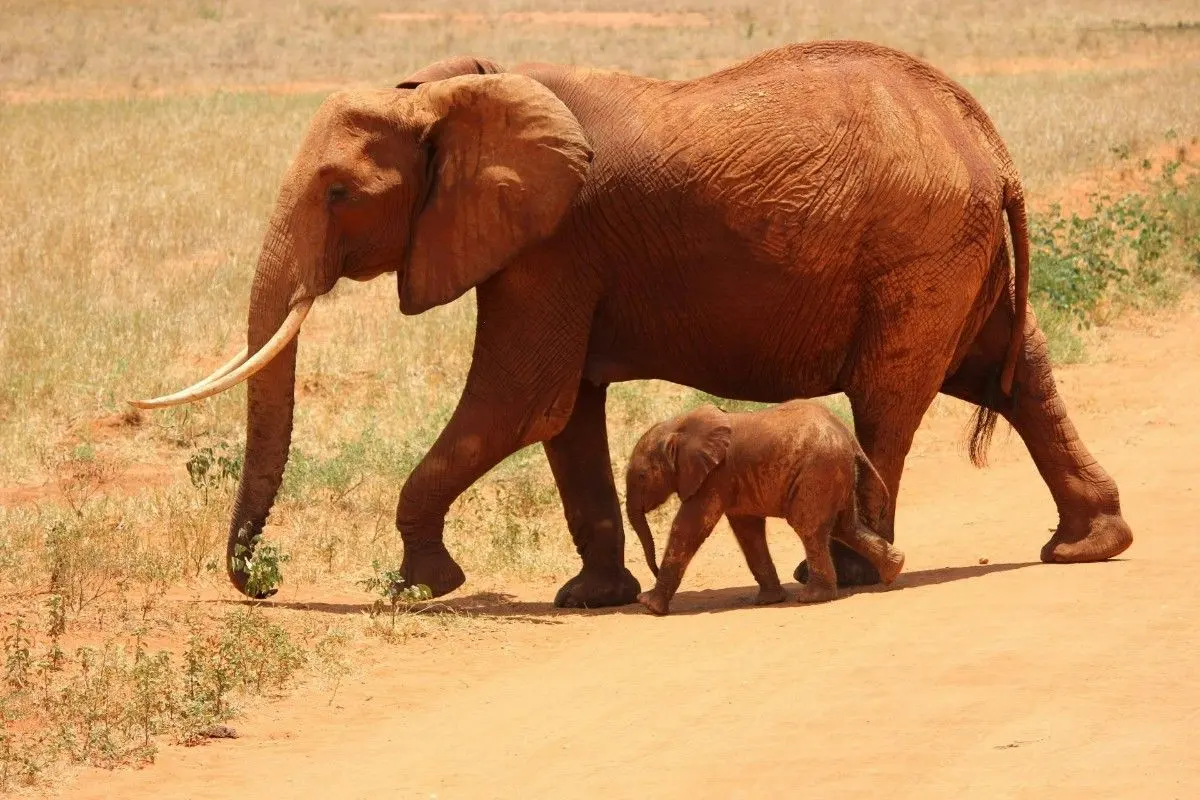
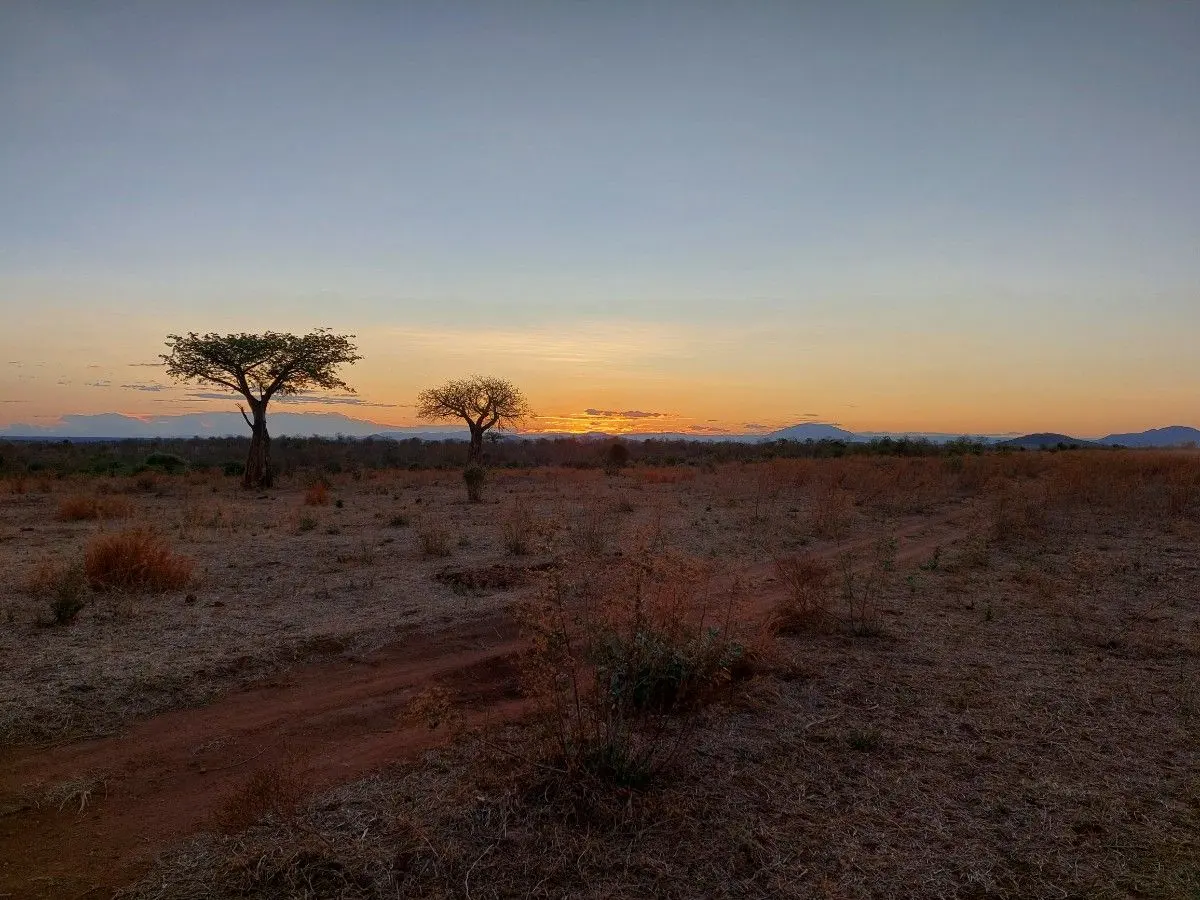
Ruaha National Park is a relatively small national park, but it has the largest elephant population in Tanzania. The park has rugged nature and one of the largest concentrations of lions in Africa. Besides elephants and lions you can spot many other animals here. Ruaha National Park is less well known among tourists. The best time to visit the park is from June to October.
How much time do you need?
We recommend spending at least 1 day in a national park. It can take a while before the guide spots animals, and you want enough time to see a number of them. You can choose to stay a night in the park and watch the sunset and sunrise there. This gives fantastic views!
3. Arusha: the gateway to the wilderness
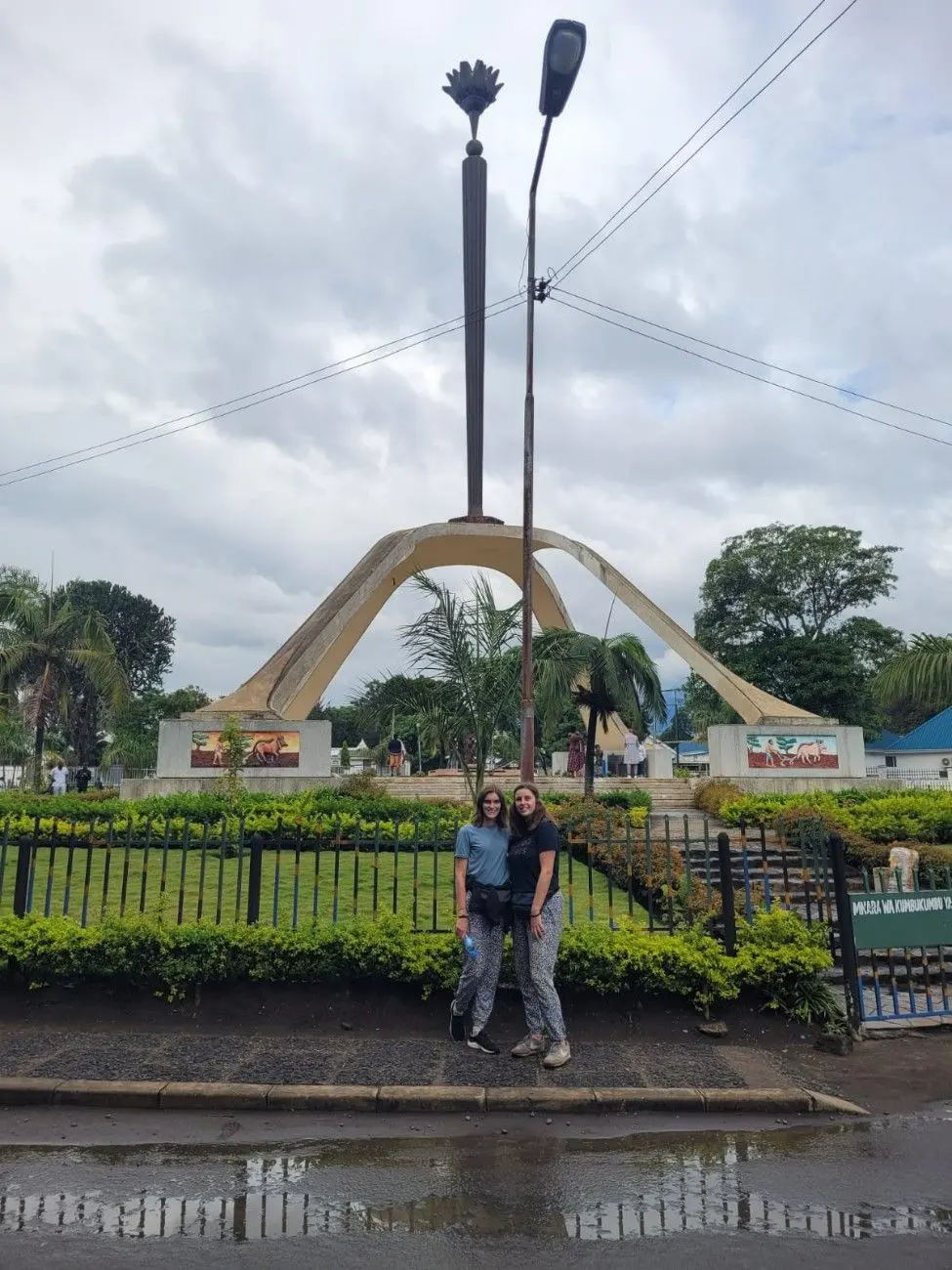
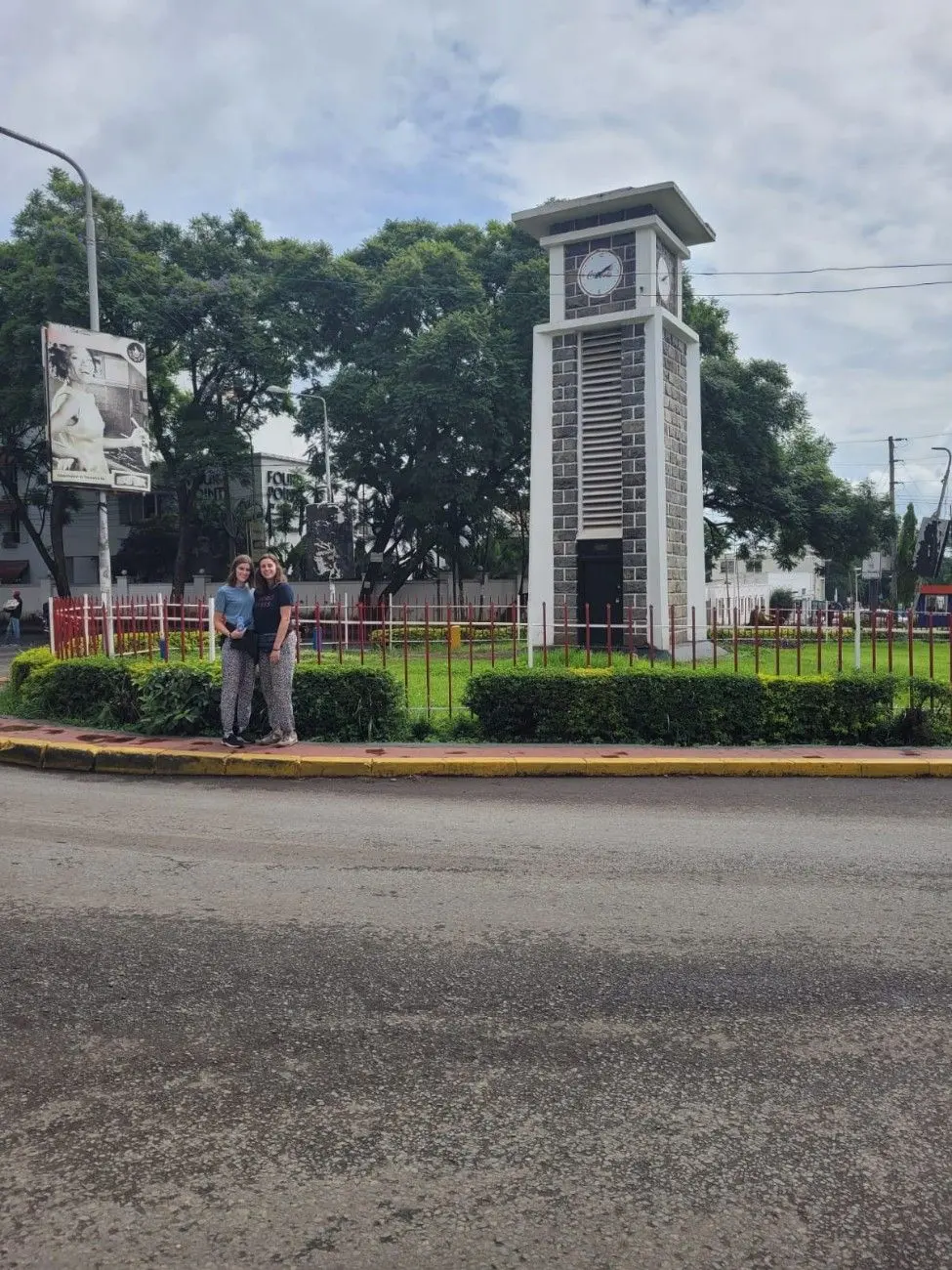
Arusha is a city in the north of Tanzania, known as the gateway to a number of Tanzania's national parks. The city is an ideal base for exploring the wilderness of Tanzania. It is relatively close to the Serengeti, the Ngorongoro Crater and Lake Natron, for example. In the city itself you will find many markets selling local goods and various restaurants where you can enjoy Tanzanian and international dishes. Compared with other cities you notice that people here are a bit more used to tourists.
4. Climb Kilimanjaro
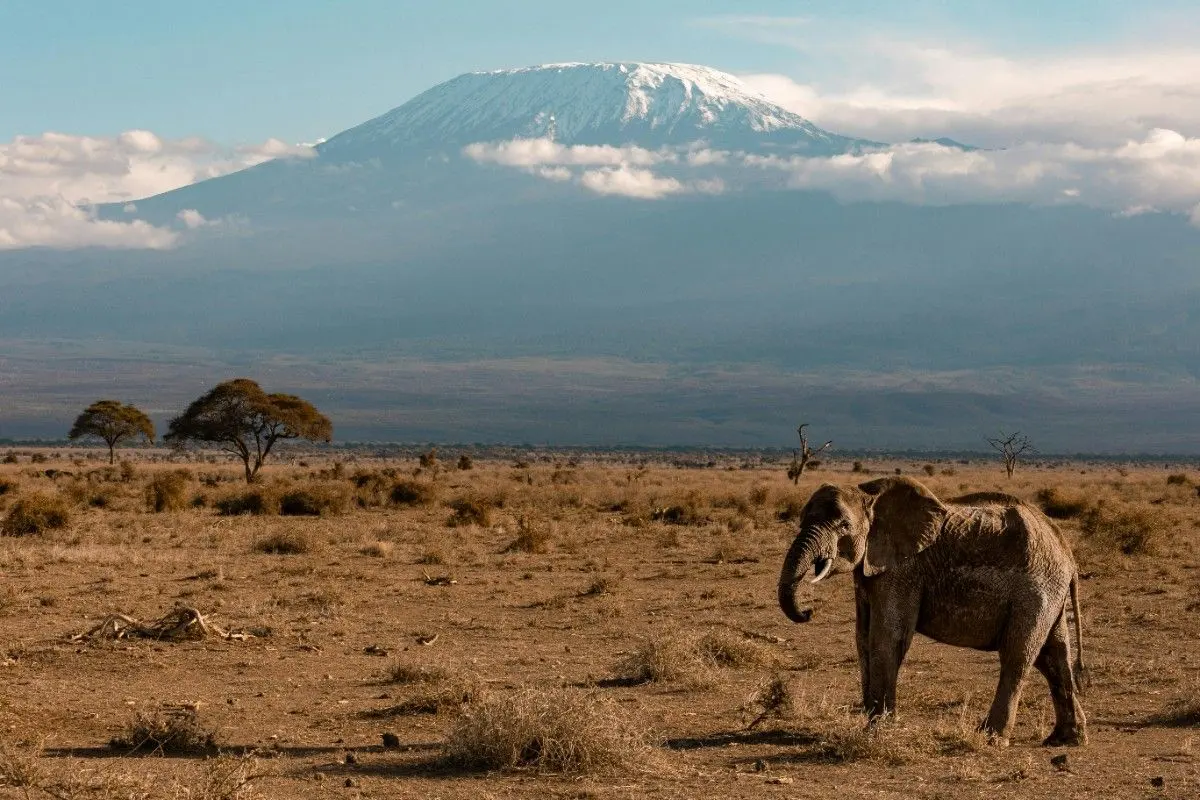
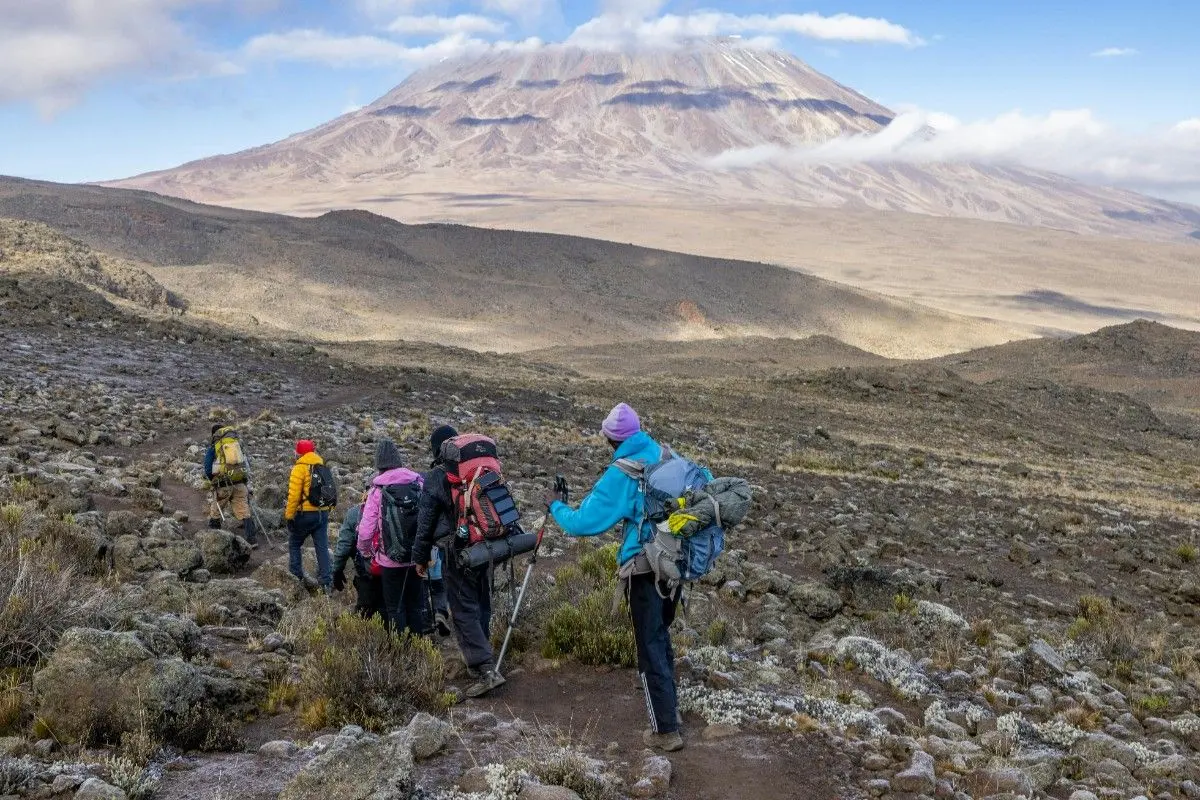
Yes, Tanzania has even more in store, namely Kilimanjaro! At 5,895 meters Kilimanjaro is the highest mountain in Africa and one of the famous "7 summits" (the highest peaks on each continent). The mountain is in the north of the country, on the border with Kenya. Savanna plains surround the mountain, which makes it the highest free-standing mountain in the world. During the climb you pass through different landscapes, from grasslands and rainforest to glaciers and snow. Climbing Kilimanjaro is a challenge, but one you will not soon forget.
Climbing Kilimanjaro requires good preparation, and you need to set aside several days for it. Also keep in mind that you may get altitude sickness. Kilimanjaro has several routes, with relatively easier routes for people with little experience and difficult routes for experienced mountaineers.
Would you rather not climb the mountain? The locals say that if you do not climb Kilimanjaro, you should drink it. Kilimanjaro is also a popular beer brand in Tanzania. From below, with a beer in your hand, you also have a beautiful view of the mountain.
Tip: You can also climb Mount Meru. This is the little brother of Kilimanjaro and the fifth highest mountain in Africa. Mount Meru has beautiful views and a good chance of spotting wildlife.
5. Moshi: at the foot of Kilimanjaro
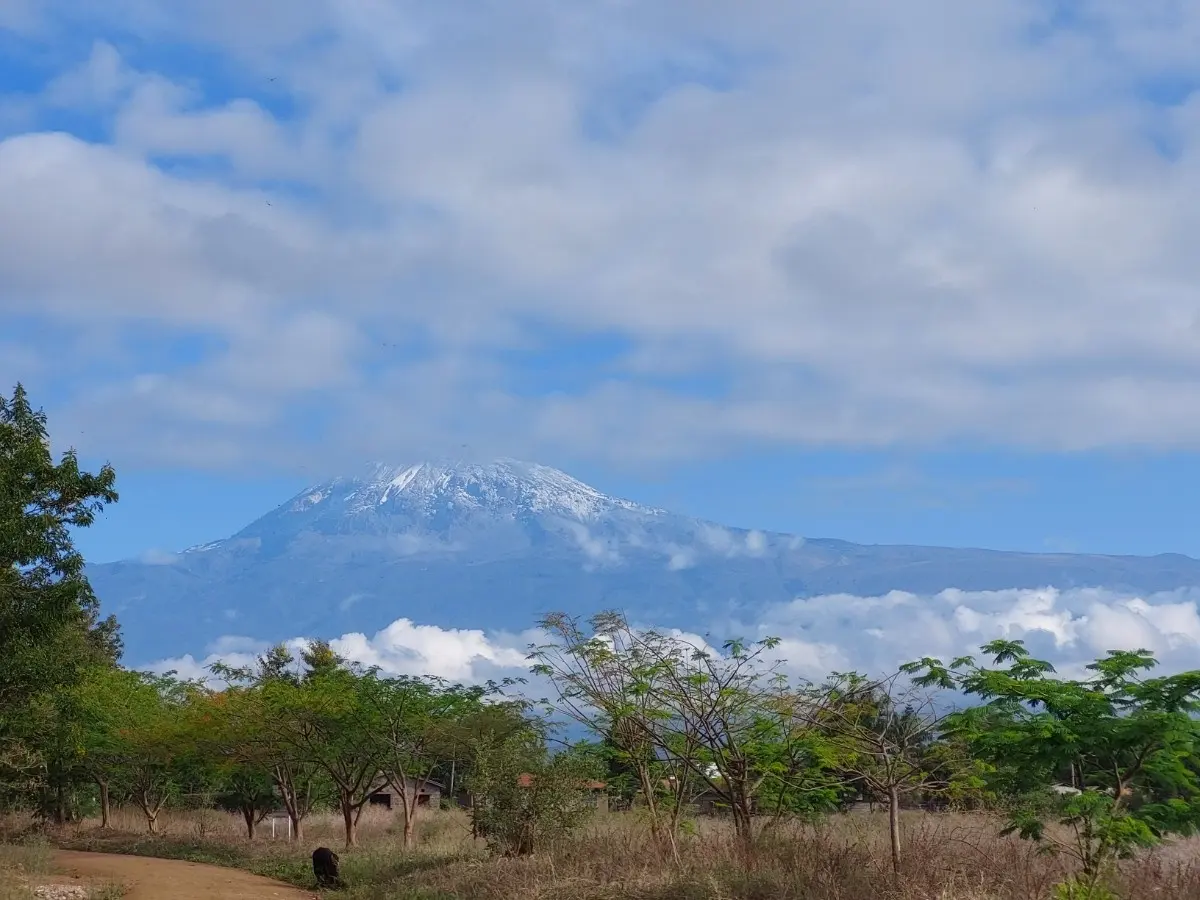
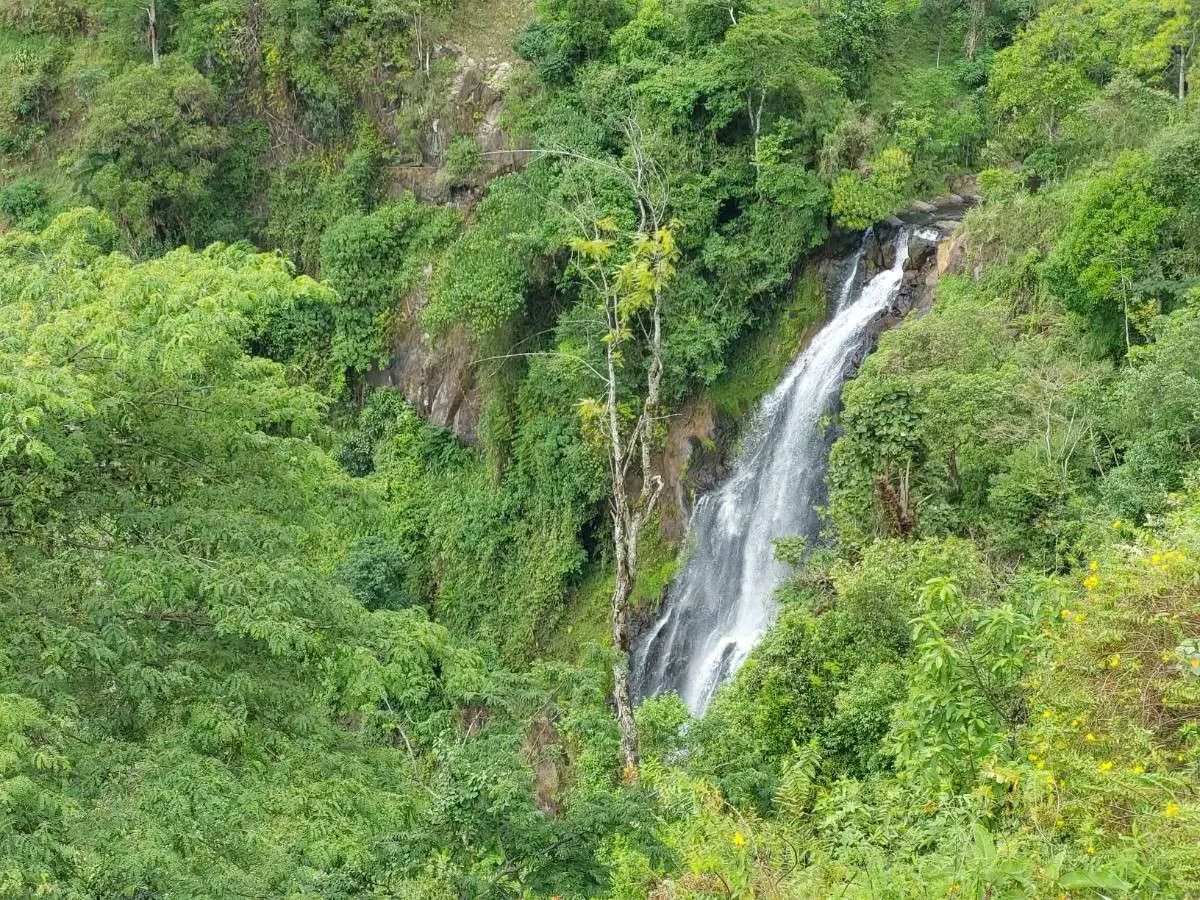
Moshi is a small town near Arusha and Kilimanjaro. It has a cozy and relaxed atmosphere. On a clear day you have a beautiful view of Kilimanjaro from Moshi. Moshi is known as the starting point for climbing Kilimanjaro, but there is more to do. The region around Moshi is known for its coffee. On the coffee plantations you can take a tour and learn how coffee beans are grown and processed. Afterwards you can enjoy a local cup of coffee. Near Moshi you will also find the Kikuletwa Hot Springs (our next tip) and the Materuni waterfalls.
We recommend asking your accommodation whether they can arrange a guide to take you to the sights in the area. It is important to agree on a price beforehand.
6. Swim at the Kikuletwa Hot Spring
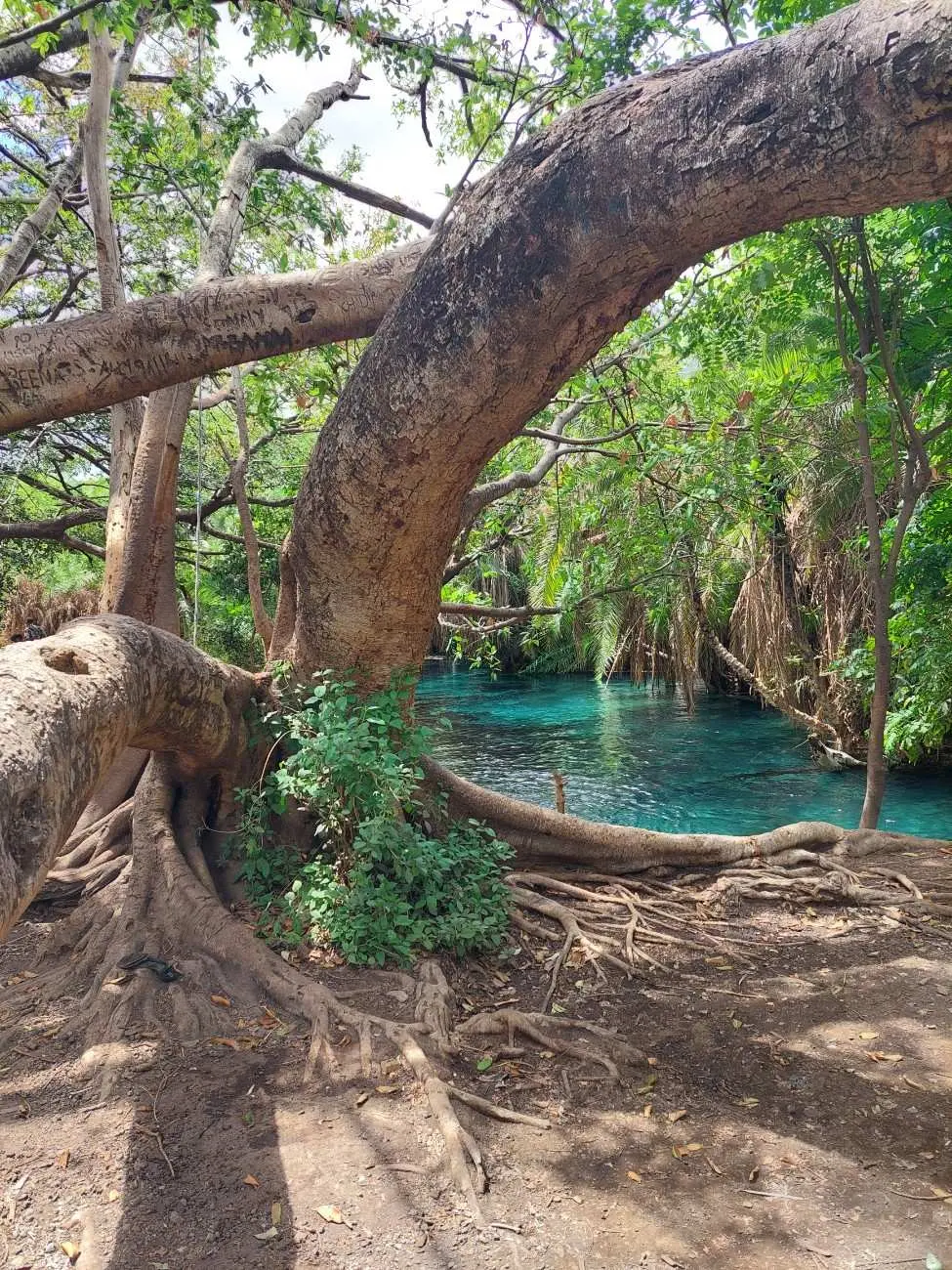
The Kikuletwa Hot Spring is a beautiful azure-blue hot spring near Moshi. In the past the Chagga, a local tribe, considered the hot spring sacred. Today tourists and locals come here to relax for an afternoon. The water temperature is about 27 degrees Celsius. You can feel a light current in the water, so there are black inner tubes by the water that you can use to float. In the area of the hot spring you can find many different bird species, and in the water there are small fish that like to eat the dead skin cells of visitors. You can relax here for an afternoon.
7. Hike to the crater lake Lake Ngozi
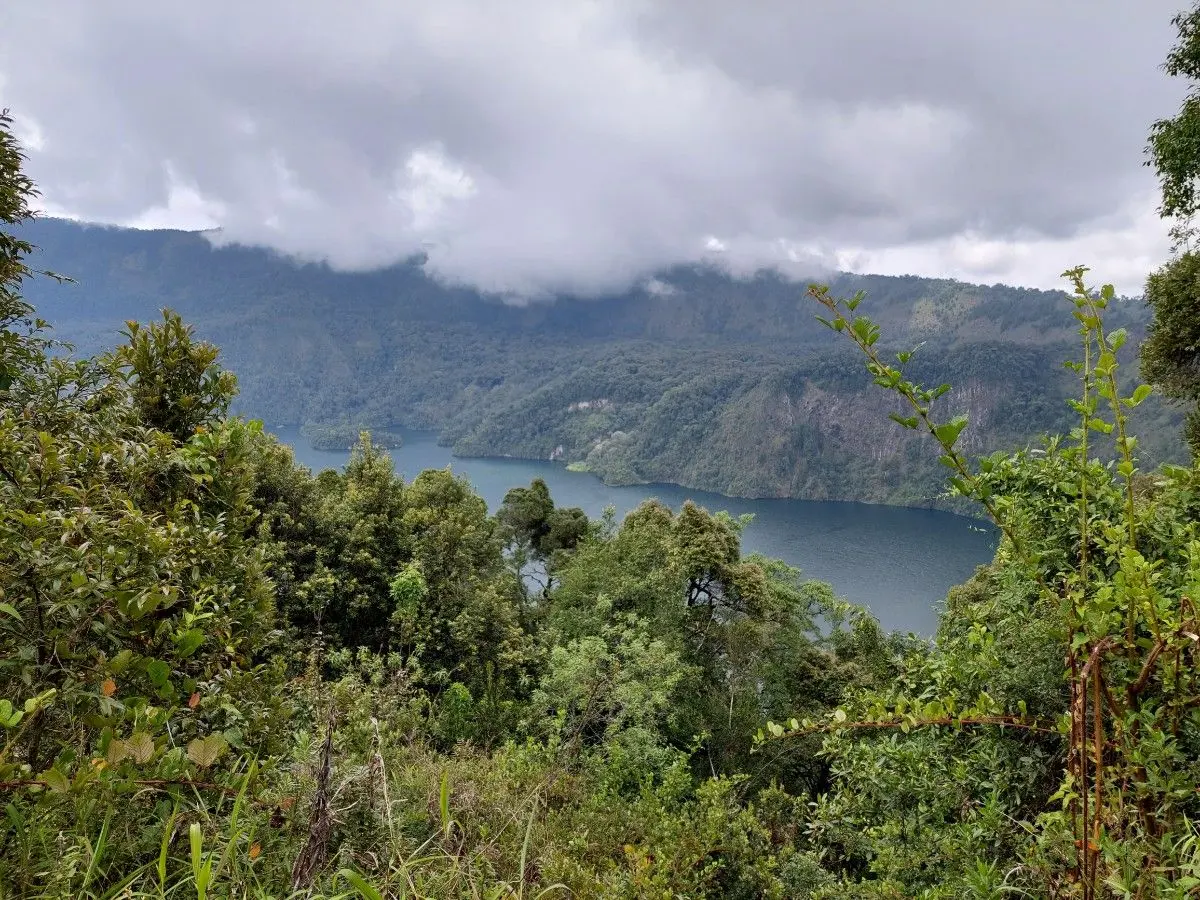
Lake Ngozi is the second largest crater lake in Africa and definitely worth a visit. The lake lies about 2,600 meters above sea level, so you have to climb for the view. The hike to the lake takes about 1.5 to 2 hours and runs straight through the rainforest. We recommend bringing long clothing and DEET, because there are many mosquitoes and other insects. Lake Ngozi also has various myths and folk tales. One story tells of a shaman whose magic put a curse on the lake until older villagers drove it away with rituals.
To admire the lake we recommend making the climb with a guide who knows the area and nature well. You can ask your accommodation whether they can arrange a guide for you.
8. Learn more about the Maasai
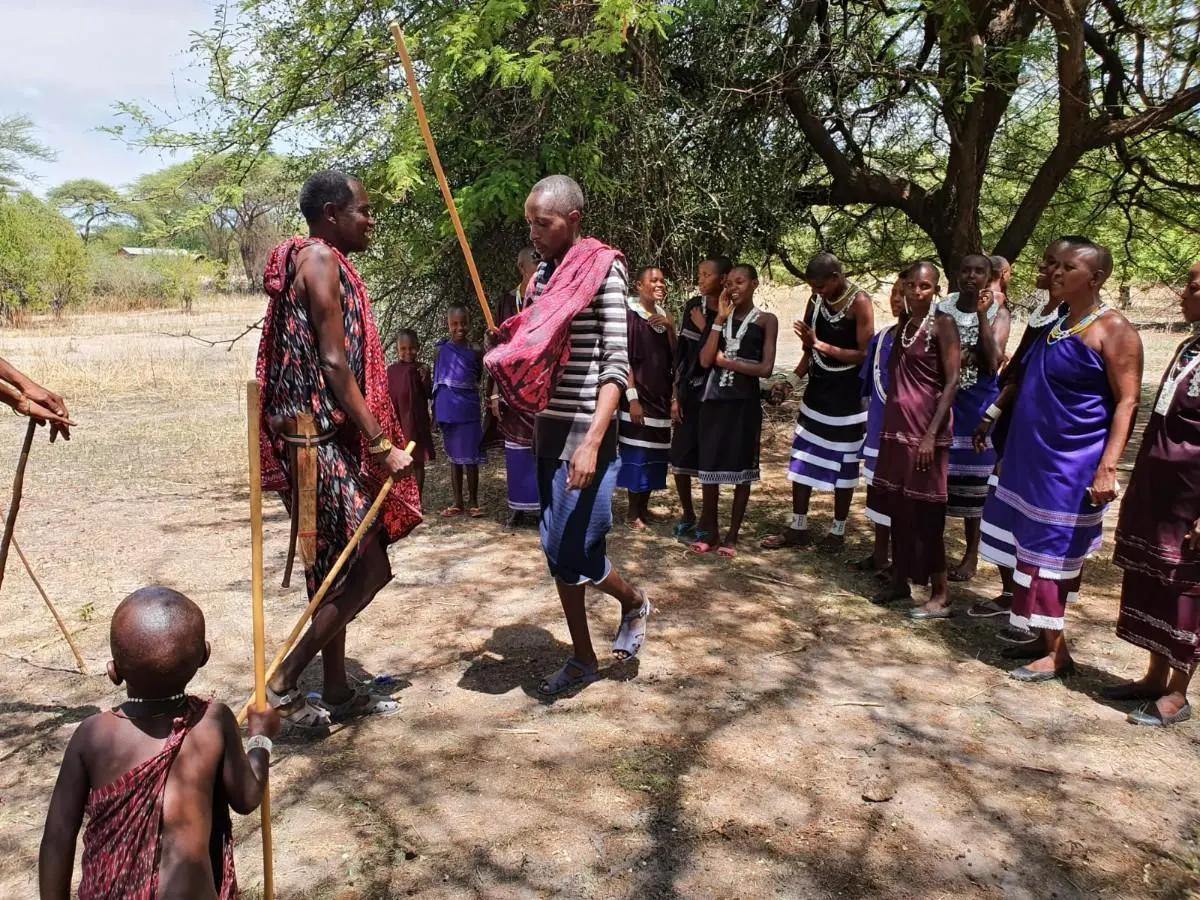
A visit to the Maasai should definitely not be missing from your trip to Tanzania. The Maasai are a nomadic people who mainly live in Kenya and Tanzania. A Maasai is easy to recognize by the traditional cloths and beads they wear. The men try to attract the women with high jumps while dancing. What is special about the Maasai is that they still continue their centuries-old traditions. The tribe lives in a kind of settlement with clay huts surrounded by their cattle.
9. Relax at Lake Malawi
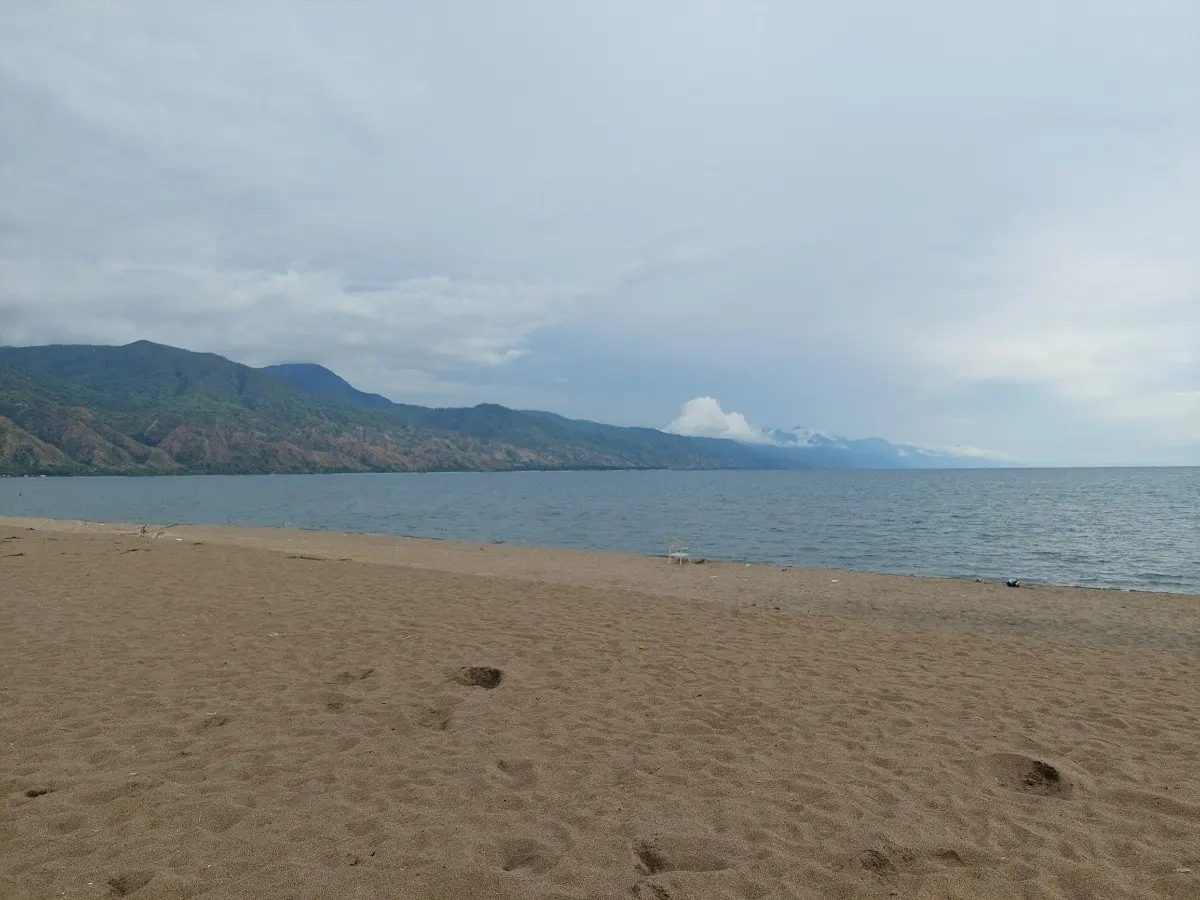
Lake Malawi is one of the largest freshwater lakes in the world. The lake is known for its biodiversity, especially its fish. This makes it a beautiful place for divers and snorkelers. A boat trip on the lake is also definitely recommended to enjoy the beautiful mountains around the lake. We recommend staying at least 1 night by the lake. We stayed in the Tanzanian village of Matema. The village has a few places to stay and a lovely sandy beach on the lake.
10. The capital: Dodoma
Dodoma is the capital of Tanzania, but this has not always been the case. Dar es Salaam used to be the capital of the country, but in 1996 it was moved to Dodoma because of the city's central location.
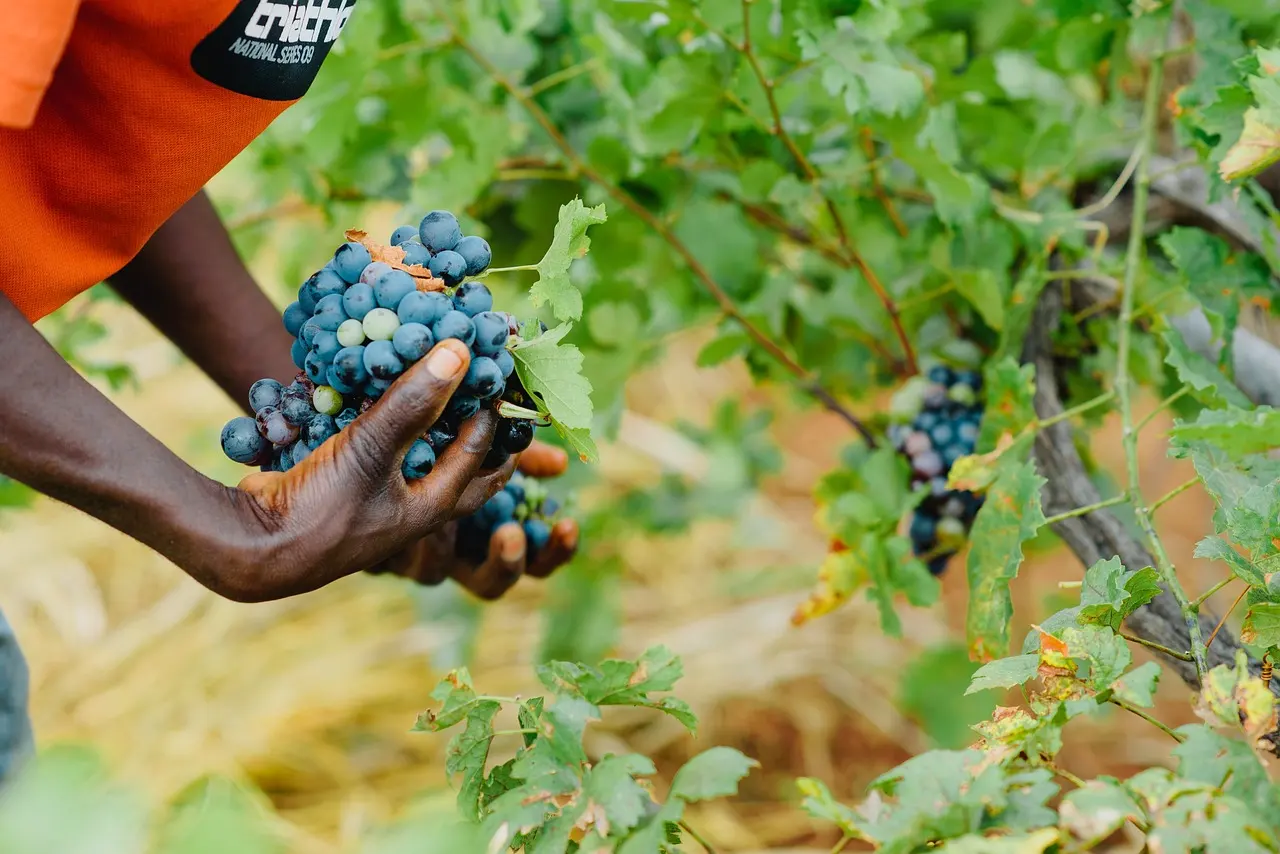
We only recommend visiting Dodoma if you are nearby. There are no big highlights in the city. If you are in the area, it is interesting to visit the Gaddafi Mosque and the Ismaili Mosque. You can also climb Lion Rock. You climb up in about 45 minutes and then have a beautiful view over the city. Besides a city, Dodoma is also a region known for its wine. Alko Vintages is a well-known vineyard in the region, where you can also take a tour.
11. Visit the beautiful salt lake Lake Natron
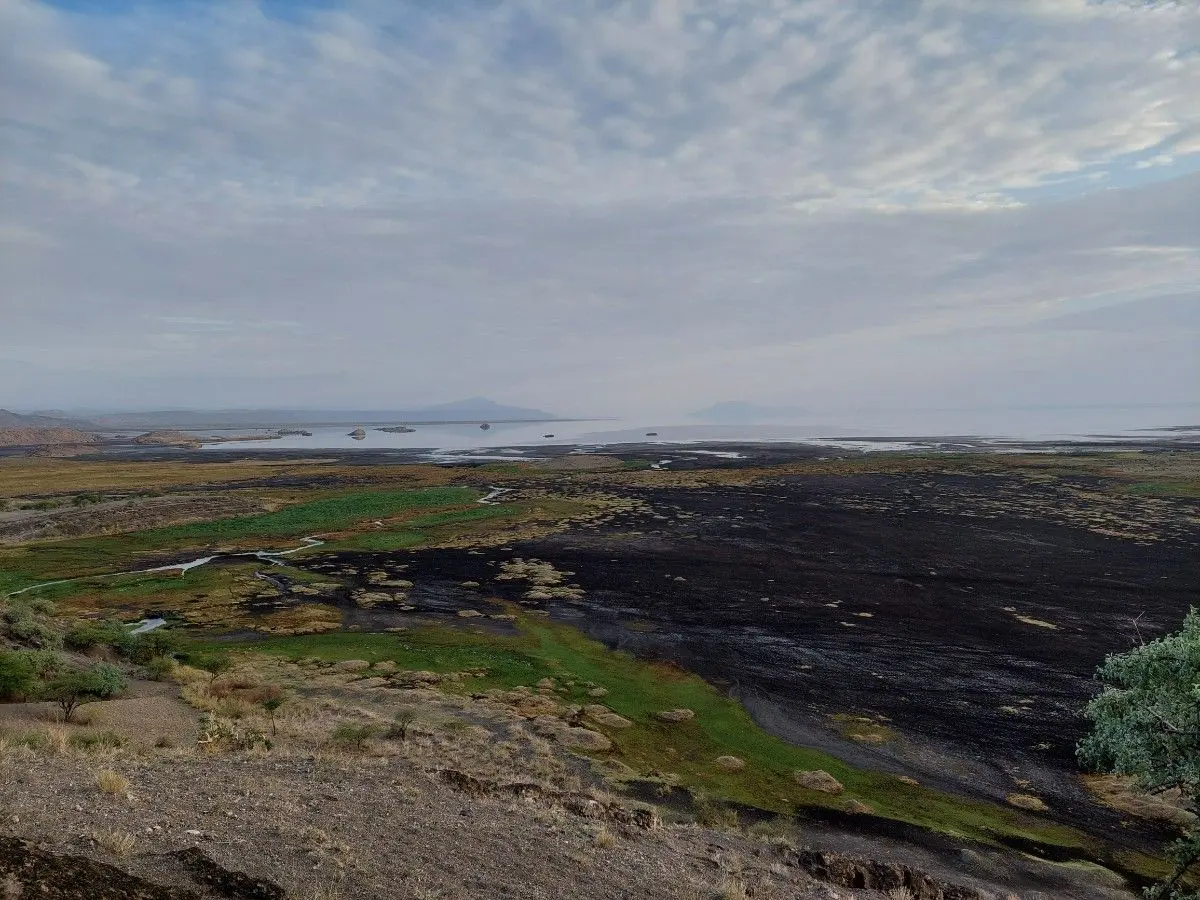
Lake Natron is a fascinating salt lake in the north of Tanzania, close to the border with Kenya. The lake is less than three meters deep, and you have to be careful with the water. The water contains many minerals from the surrounding mountains, which can burn human skin and eyes. Cooling off in the water is therefore not a good idea.
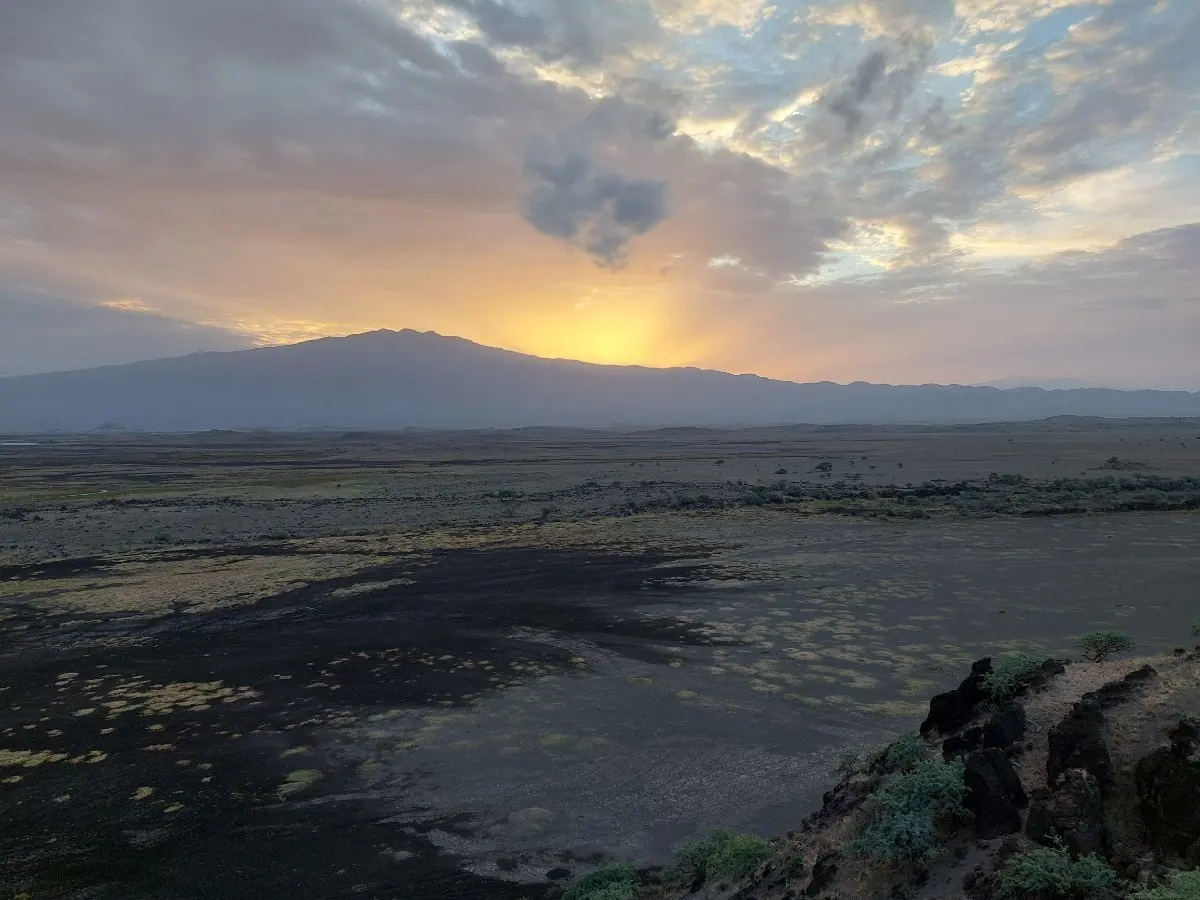
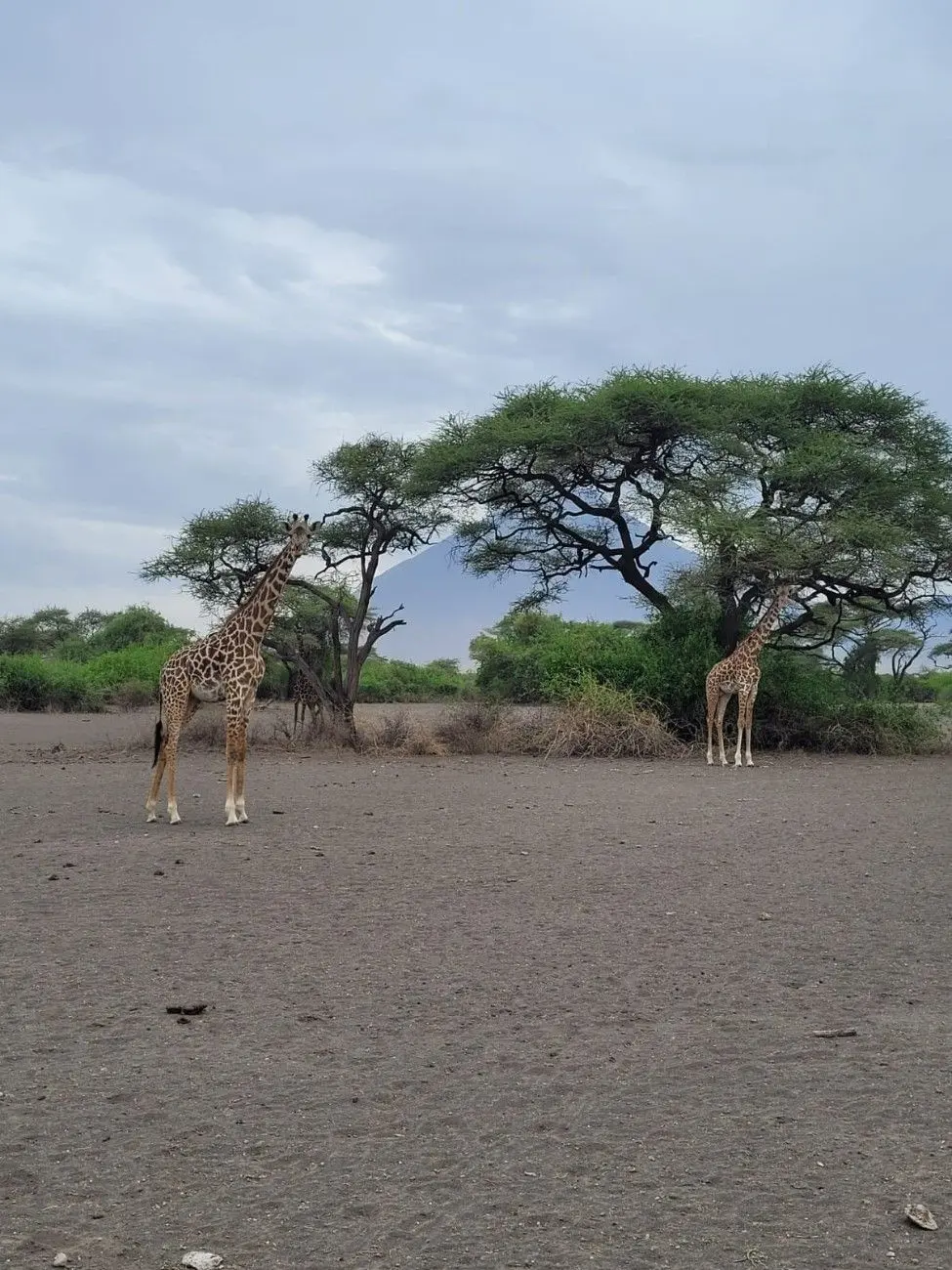
The landscape around the lake is very impressive. By the lake you will often find large groups of flamingos, and from the lake you have a view of the volcano Ol Doinyo Lengai, also known as the "Mountain of God". There are also beautiful waterfalls in the area, and you can spot wild animals too. We saw many giraffes. It is also fun to sleep at a campsite run by the Maasai. This makes the Tanzanian experience complete.
The road to Lake Natron is beautiful, but unpaved and deserted. We went with a guide in a jeep, but got a few flat tires along the way. It is then nice to have someone with you who speaks the language. At Lake Natron too it is nice to have a guide who knows the area and shows you all the beautiful hidden spots.
12. Mufindi
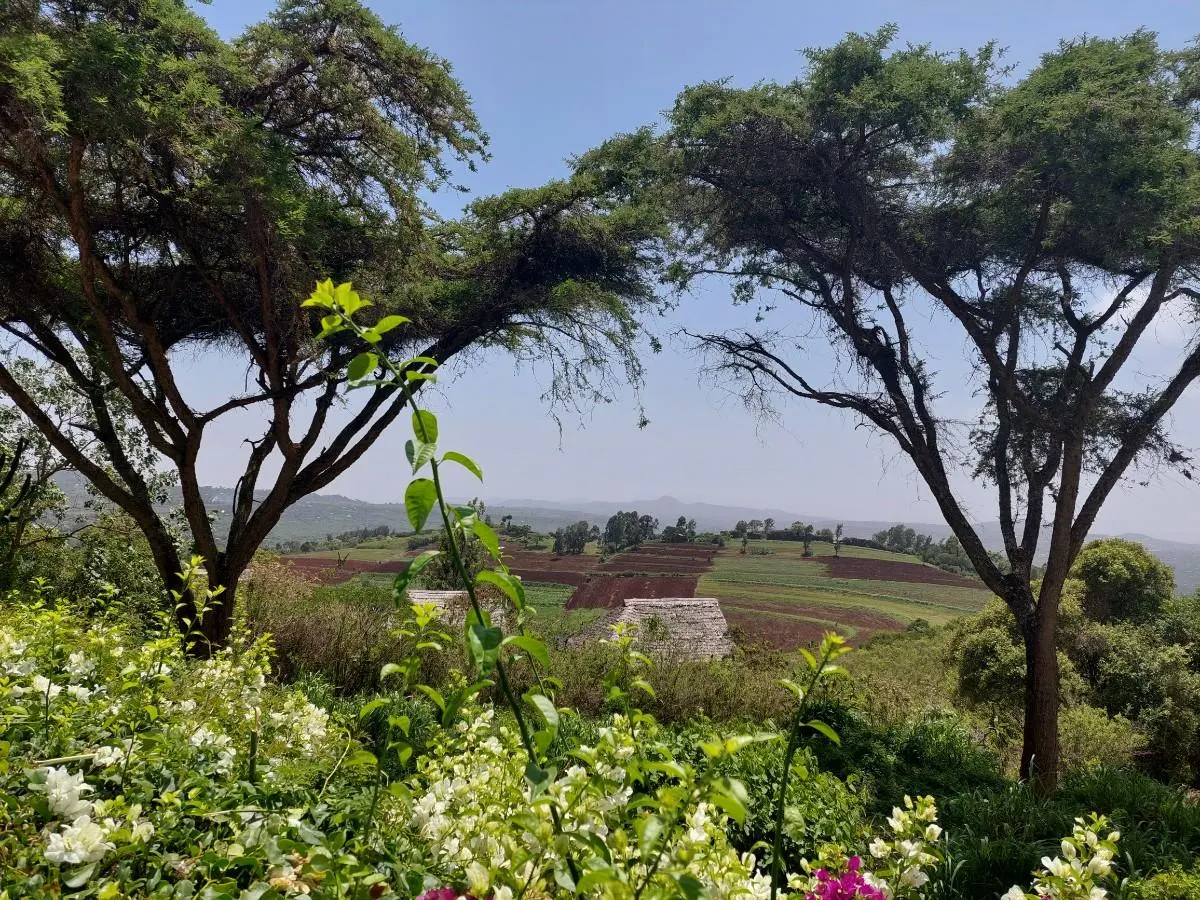
Mufindi is the place where you can relax in the highlands of Tanzania. Grab a book and enjoy the green landscapes and fresh mountain air. If you feel like doing something, you can visit one of the tea or coffee plantations. In Mufindi you will find several nice, cozy lodges where you can recover from the journey.
13. Do volunteer work
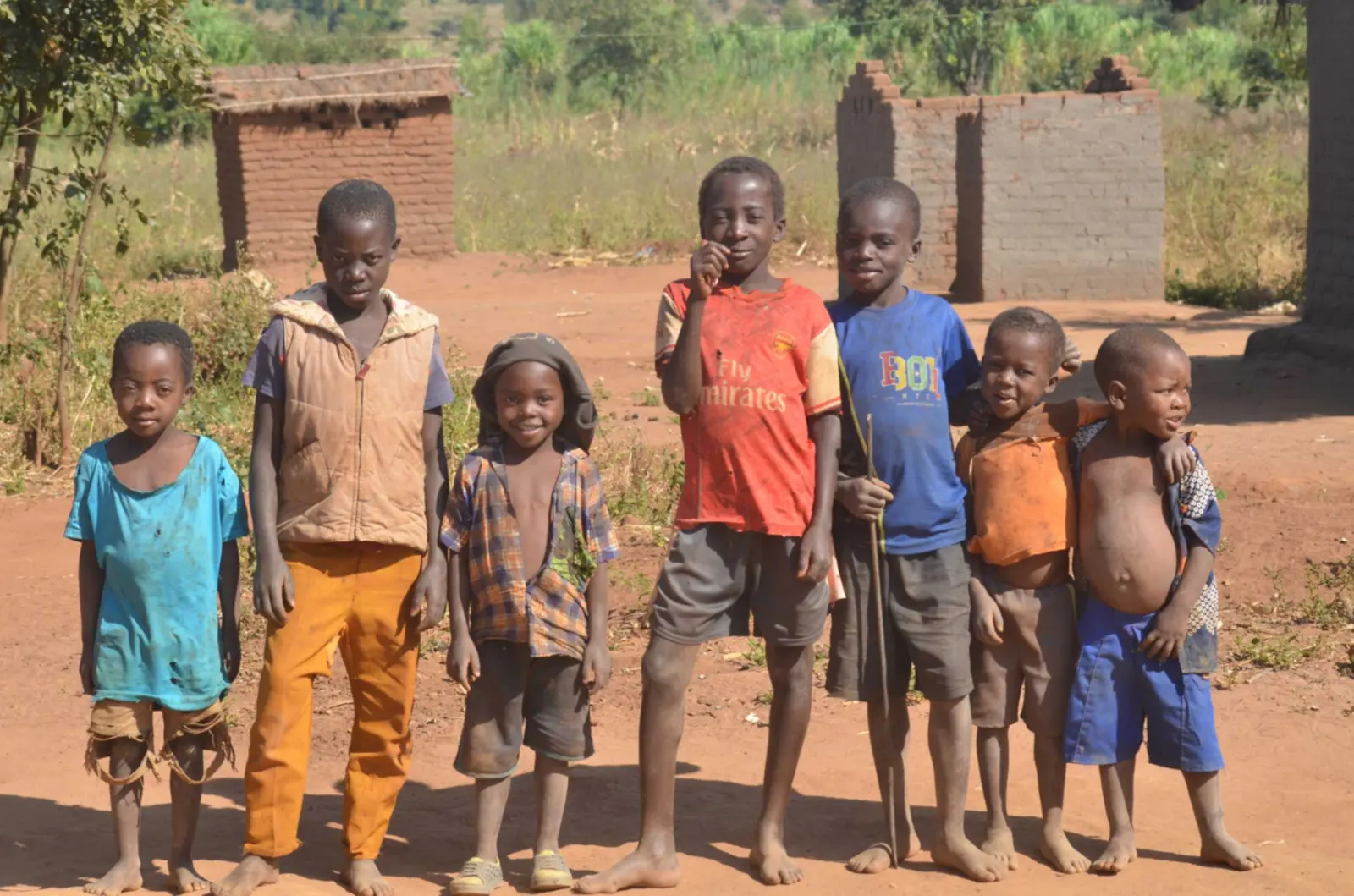
A fun way to get to know the local population and Tanzania better is by volunteering. You become part of the community for a while, and the locals can take you to fun local things in the area. Check our article 'The 10 Most Important Tips for Volunteering in Tanzania' for more info!
14. Zanzibar: discover the white powder-sand beaches
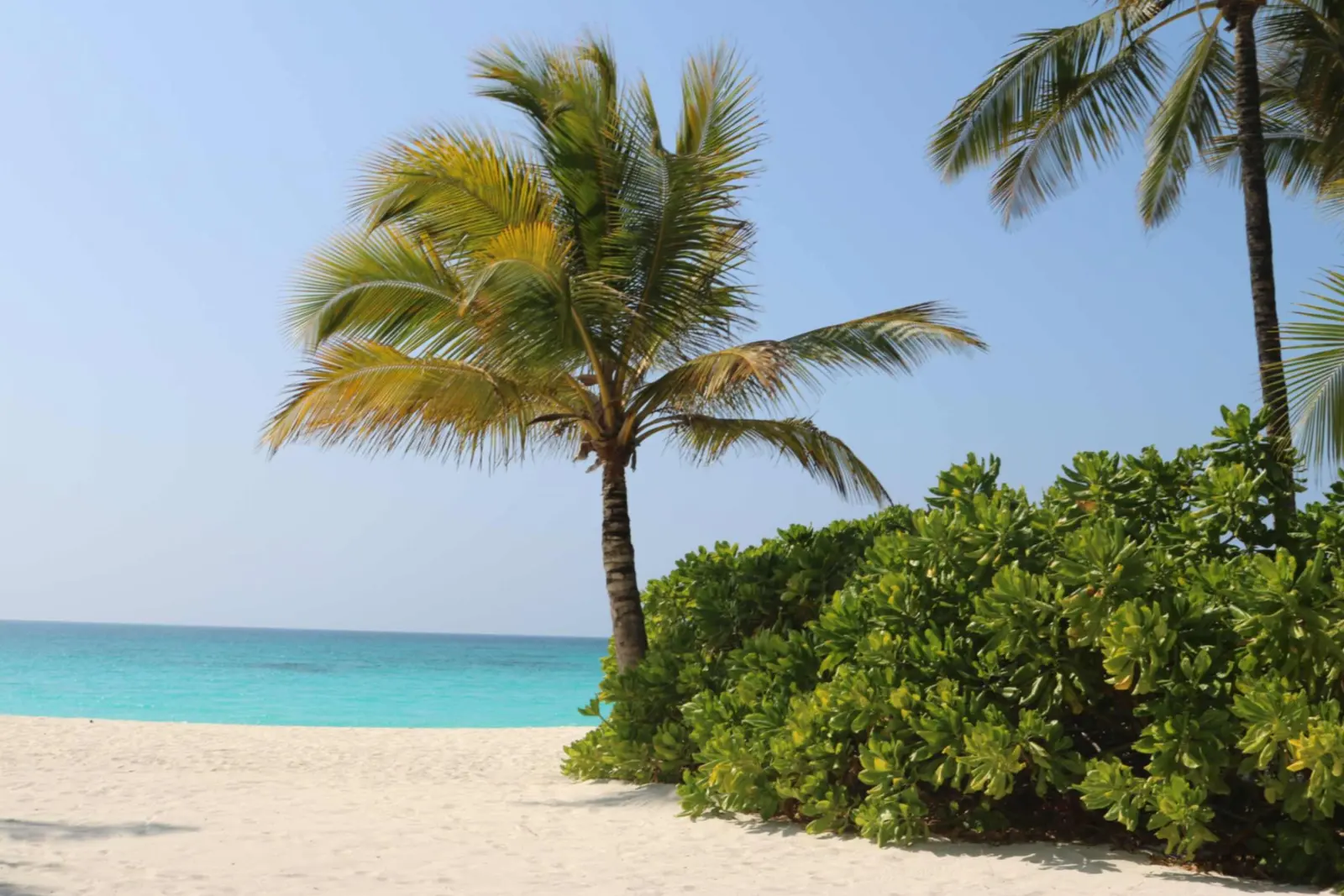
Do you want to relax after all the adventure on the mainland? Then Zanzibar is definitely recommended! Zanzibar is everything you can imagine of a tropical island. The island has clear turquoise water, white powder-sand beaches, palm trees full of coconuts and a relaxed hakuna matata vibe. There is plenty to experience on the island for culture lovers. Stone Town is the historic core of the island and is known for its architecture with Arab, Persian, Indian and European influences. Zanzibar is the perfect place to combine a lovely beach holiday with soaking up culture. Want to know more? Check our article 'What To Do in Zanzibar? The 10 Best Tips!' for more info!
Frequently asked questions
When is the best time to visit Tanzania?
For safaris, June to October is the best time. January and February are also good for the Serengeti. The Ngorongoro Crater is quieter outside the high season.
Do you need a visa for Tanzania?
Yes. Dutch citizens need a visa. A single-entry tourist visa of up to 90 days costs 50 dollars. You apply for it online or arrange it on arrival.
Is entry insurance mandatory for Tanzania?
Yes. Since 1 October 2026 the mainland requires entry insurance from the National Insurance Corporation (about 44 dollars, valid up to 92 days). Zanzibar has a separate policy through ZIC. The first point of entry decides which one you need, so you do not need two policies.
Is Tanzania safe?
Tanzania is generally safe for travelers, with some risks. Be careful with your belongings, do not walk alone in the dark and check the Dutch travel advice for current information.
How do you get around Tanzania?
By plane for long distances, by bus if you want to travel cheaply, or by car with a private driver. For short distances you can take a taxi or tuk-tuk.
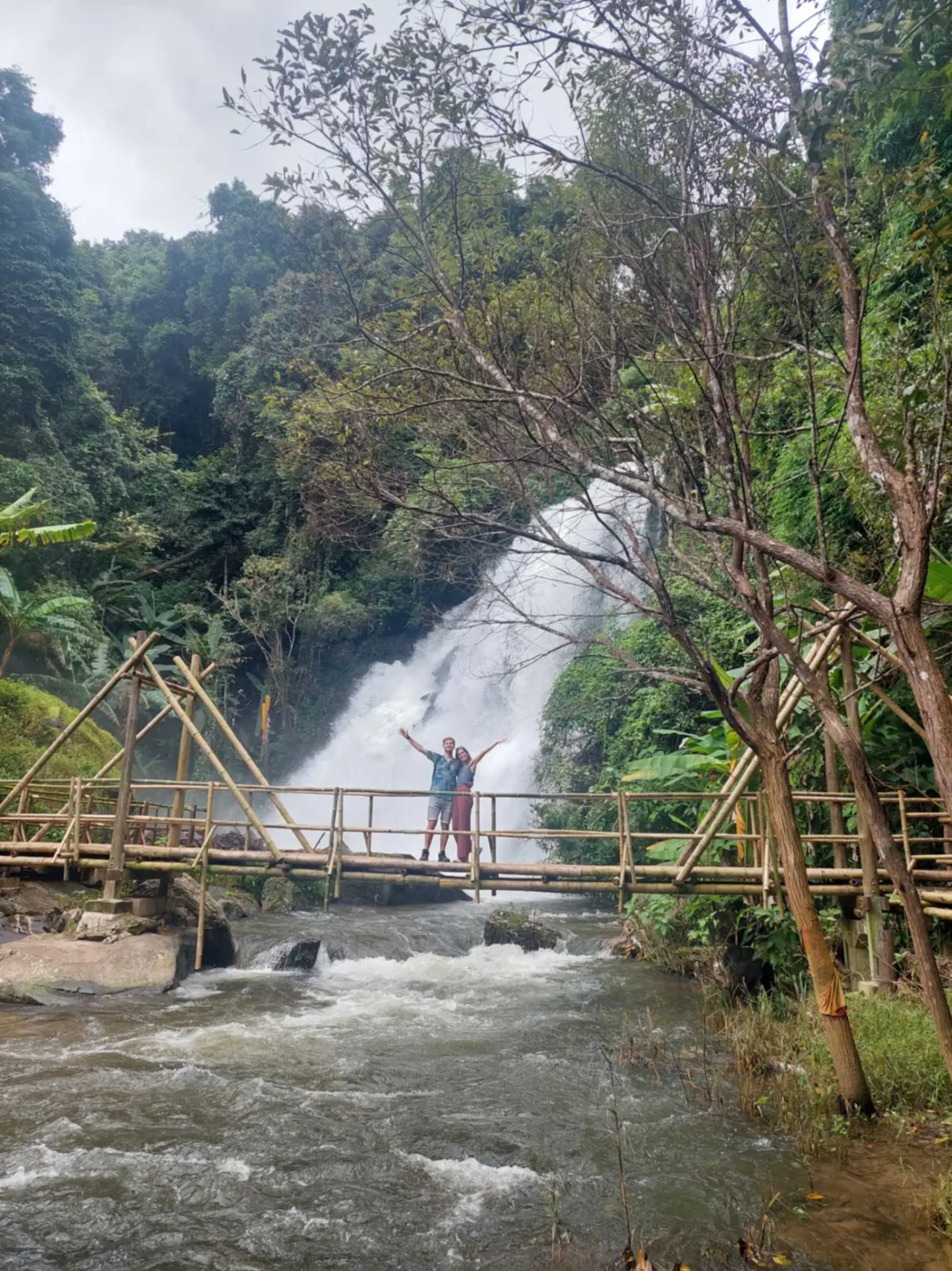
We are Matthew and Mirte, two Dutch travelers who love getting to know countries through their people, food and hidden spots.
Read more